大腸癌標靶治療先驅 唐獎得主曼德森腦癌逝 享壽82歲
成功研發第一種抗癌標靶藥物的癌症治療專家約翰•曼德森(John Mendelsohn)於美國德州時間1月7日因罹患多形性膠質母細胞瘤(惡性腦癌)病逝,享壽82歲。
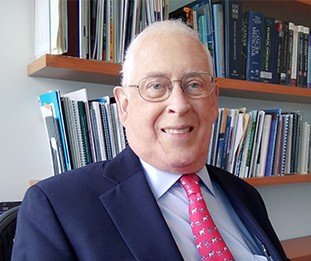 成功研發第一種抗癌標靶藥物的癌症治療專家約翰•曼德森(John Mendelsohn)於美國德州時間1月7日因罹患多形性膠質母細胞瘤(惡性腦癌)病逝,享壽82歲。(圖擷取自唐獎官網)
綜合媒體報導,去年甫得唐獎生技醫療獎的曼德森,因研發出第一種抑制致癌基因TK活性的抗體標靶藥物Erbitux(爾必得舒),並成功應用於大腸癌與頭頸癌的治療,而與另外兩位學者東尼・杭特(Tony Hunter)、布萊恩・德魯克爾(Brian J. Druker)一同獲得2018年唐獎生技醫藥獎。不過頒獎典禮當天,曼德森因病無法到場,由兒子傑夫•曼德森(Jeff Mendelsohn)代領獎。傑夫在致詞時,提及曼德森畢生遵循的兩個原則:「活出最大希望和最少遺憾。」
曼德森透過唐獎團隊製作的訪談影片中,發表自己的人生哲理,「很多時候,我們建立新理論,測試後並成功,這不常見,我們只是很幸運地剛好遇上幾次。」
曼德森擔任過多所頂尖癌症中心主任,1996年起任美國德州休仕頓MD安德森癌症中心院長,15年來擔任過3屆院長,於2006年獲台中中國醫藥大學特贈名譽博士學位。時任MD安德森癌症中心學術副校長、中央研究院院士洪明奇也特別引進相關技術到中國醫藥大學,也讓台灣多位優秀醫生到該中心受訓、交流,促進癌症醫療技術的推進。
John Mendelsohn, former MD Anderson president, dead at 82
By Todd Ackerman Updated 5:34 pm CST, Tuesday, January 8, 2019
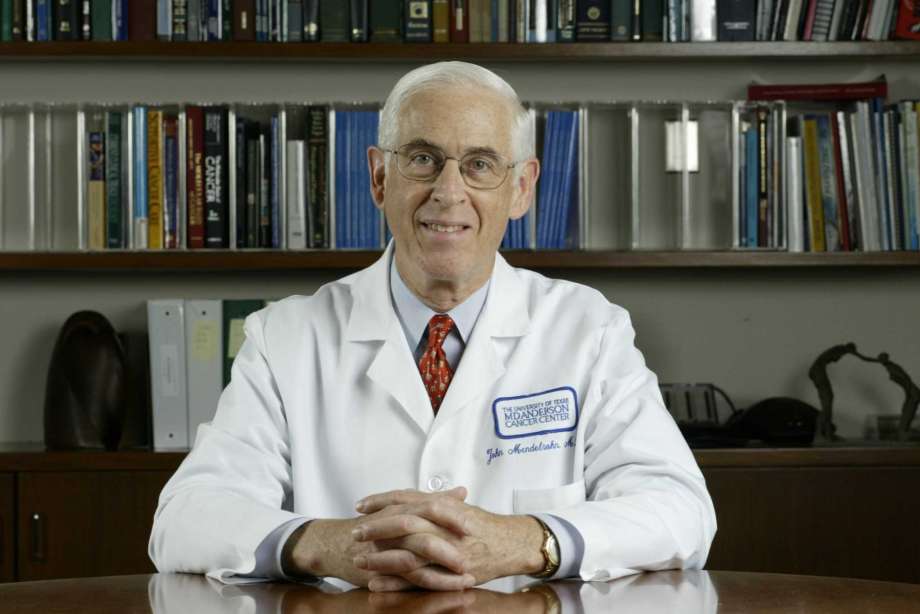 Dr. John Mendelsohn, president of M.D. Anderson Cancer Center from 1996 to 2011, posed for this portrait in his office in 2003. Mendelsohn, a top scientist and the architect behind MD Anderson’s emergence as the world’s top cancer center, died late Monday night of brain cancer. Photo: Buster Dean, STAFF / HOUSTON CHRONICLE / HOUSTON CHRONICLE
Dr. John Mendelsohn, a pioneering scientist and the architect behind MD Anderson Cancer Center’s emergence as the nation’s No. 1 cancer hospital, has died. He was 82.
Mendelsohn succumbed to glioblastoma, the most aggressive form of brain cancer, late Monday night at his home in Houston. He had been diagnosed with the disease 15 months ago.
Mendelsohn served as president of MD Anderson from 1996 to 2011, the time of the institution’s greatest growth. A molecular biologist, he also conducted some of the earliest research in targeted therapy, a type of treatment that more precisely identifies and attacks cancer cells.
“MD Anderson had the great fortune of being led by John Mendelsohn for 15 years and the strides made under his direction were nothing short of remarkable,” Dr. Peter Pisters, president of MD Anderson, said in a statement.
“In addition to impressive achievements, both as a scientist and as a leader, John was a role model and inspiration to so many. He has left an indelible mark on this world, and he will be fondly remembered and greatly missed,” Pisters said.
The late former President George H.W. Bush, a long-time time friend and MD Anderson supporter who consulted Mendelsohn on some issues in the Oval Office, last year called Mendelsohn “one of the leading gladiators in the war against cancer — innovative, relentless, fearless.”
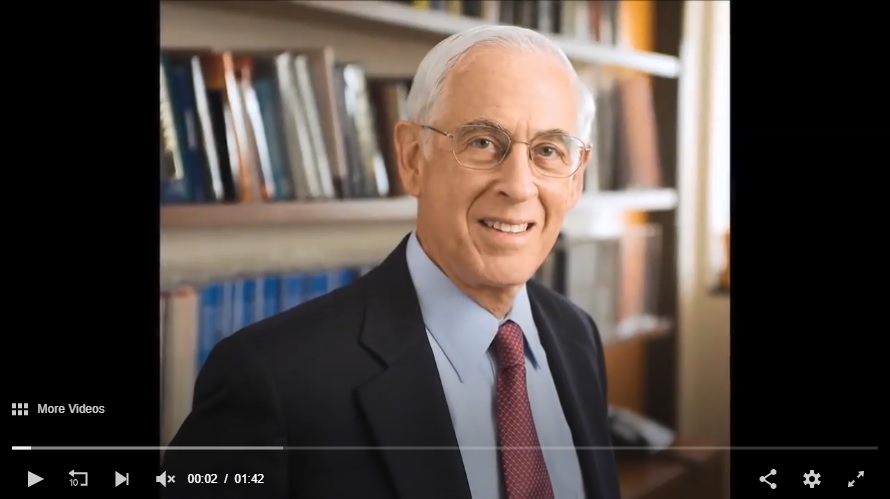 John Mendelsohn, M.D., president emeritus of The University of Texas MD Anderson Cancer Center and an internationally acclaimed leader in the field of medicine and scientist whose research helped pioneer a new type of cancer therapy, died Jan. 7 at his home in Houston. He was 82.
Medical center growth
Under Mendelsohn, MD Anderson’s private philanthropy increased almost tenfold, its budget quadrupled, its space tripled and its number of employees and patients doubled. It also started receiving more National Cancer Institute grants and conducting more clinical trials to evaluate new cancer treatments than any institution in the world.
In addition, the cancer center grew from 28 buildings in the Texas Medical Center to 58 and forged partnerships with institutions around the United States and in Europe, the Middle East, Asia and South America.
EVOCATIVE ESSAY: What happens when a cancer researcher gets cancer? Only on HoustonChronicle.com.
It also moved ahead of Memorial Sloan-Kettering Cancer Center in U.S. News and World Report’s annual hospital survey. After years of ranking it No. 2, the magazine ranked MD Anderson as the nation’s top cancer hospital eight of Mendelsohn’s last 10 years as president, all of the last five.
Tributes to Mendelsohn poured forth Tuesday in cancer circles around the country and from Texas leaders in politics, academia and business.
“Mendelsohn was a titan of the medical community who extended the lives of many threatened by cancer, a community leader who strove to make Houston a world-class city, and a wonderful human being who spent a lifetime caring for others,” former Secretary of State James A. Baker III said.
And U.S. Rep. Sheila Jackson Lee, D-Houston, said Mendelsohn “made a lasting impact on this world, helping lead and inspire many under his command. A born leader, his impact on the medical field is profound.”
Dr. Paul Klotman, president of Baylor College of Medicine, said “Mendelsohn’s leadership had an impact far beyond MD Anderson” and Rice University President David Leebron called him “a role model for so many of us in Houston.”
Legendary oil mogul T. Boone Pickens, who gave MD Anderson $50 million in 2007, called Mendelsohn’s passing “tough to take. He was a builder and a dreamer who made things happen. I worked closely with him for many, many years and bought into his vision in a big way. All I wanted was a difference maker, and he delivered in spades.”
‘Great patient care’
Mendelsohn retired from MD Anderson in summer 2018, amid the cancer battle. He’d served as co-director of the Houston research hospital’s Institute for Personalized Cancer Therapy the previous seven years, after stepping down from the presidency at 75. Upon retiring, he was named president emeritus, the first such at MD Anderson.
Nicknamed “Central Casting” by some faculty because he so looked the part, Mendelsohn was just the third president in MD Anderson’s history. He was also a rare commodity among presidents in the Texas Medical Center at the time — an outsider.
He was nevertheless “a perfect fit,” according to James Olson, author of “Making Cancer History: Disease and Discovery at the University of Texas M.D. Anderson Cancer Center” and a Sam Houston State University historian.
“He had the wisdom to preserve MD Anderson’s reputation for great patient care,” said Olson. “He was a pre-eminent scientist at the forefront of cutting-edge new research that positioned M.D. Anderson to be a leader in the arena. And he had the personality and face to work marvelously with community political and financial leaders.”
Mendelsohn came to MD Anderson at a challenging time. A consultant’s report had just advised the center to tighten its belt and shut down departments, the seemingly logical response to insurance companies’ then new new practice of steering patients to lower-cost community hospitals. It was described at the time as “a doom-and-gloom picture.”
Instead, Mendelsohn’s disregarded the advice and MD Anderson flourished, growing into a virtual empire and dominating the cancer care field.
Early life and research
Mendelsohn was born in Cincinnati on Aug. 31, 1936, the son of a homemaker and a seller of suspenders and men’s belts. He earned both bachelor’s and medical degrees from Harvard University, then spent a year in Scotland at the University of Glasgow as a Fulbright Scholar in biochemistry.
He hadn’t originally intended to study medicine. Unsure about his career path, he initially majored in physics and chemistry as a Harvard College undergraduate before settling on biochemistry.
As an undergraduate, Mendelsohn worked in the lab of James Watson, a then 28-year-old biologist who would go on to win a Nobel Prize for his co-discovery of the double-helix structure of DNA a few years later. Mendelsohn was the first undergraduate to ever work in Watson’s lab.
Olson called Mendelsohn’s career “its own double helix, a series of medical and scientific accomplishments coiled inextricably with the evolution of cancer medicine in the twentieth century.”
After medical school, Mendelsohn trained in internal medicine at Brigham and Women’s Hospital in Boston and spent two years as a research fellow at the National Institutes of Health before completing a hematology-oncology fellowship at Washington University Medical School in St. Louis.
He then joined the new University of California at San Diego School of Medicine, first as an assistant professor, eventually being named the founding director of its cancer center. His research there led to the development of the monoclonal antibody cetuximab (Erbitux), the first targeted drug, which would go on to receive Food and Drug Administration approval for advanced colorectal cancer in 2004 and for head and neck cancer in 2006.
In 1985, Mendelsohn left San Diego to become chairman of the Department of Medicine at Memorial Sloan Kettering Cancer Center in New York, then the nation’s top ranked cancer center. There, said Olson, he led the rebellion against “the super-radical procedures of such surgeons as George Pack and Jerome A. Urban in favor of more conservative operations combined with radiation therapy and chemotherapy, which preserved existing survival rates while leaving patients with fewer side effects.”
Eleven years later, to the amazement of some of his colleagues, he bolted for MD Anderson.
“Beginning with my knocking on Watson’s laboratory door, I took opportunities when they presented themselves,” Mendelsohn once said.
‘Making cancer history’
During Mendelsohn’s tenure, the theme “MD Anderson: Making Cancer History” was originated and trademarked. The cancer center also became a degree-granting university, conferring graduate and master’s degrees in biomedical sciences and undergraduate and master’s degrees in multiple allied health disciplines.
He also made a higher priority of patient satisfaction. He simplified the phone system so callers could reach a live person after pushing one button; he hired more radiologists and pathologists to shorten the wait for test results; and he set a policy of getting patients in to see doctors within four days of calling for an appointment.
“He was a visionary, a relentless optimist who always saw the possibilities,” said Margaret Kripke, a chief academic officer under Mendelsohn and a former member of the President’s Cancer Panel, a three-person panel that provides policy advice to the White House. “He was big on getting research out of the lab and into the clinic, serving patients’ interests, not just science’s.
His presidency was not without bumps. In 2002, Mendelsohn found himself embroiled in controversy because of his role with two troubled companies: Enron, whose accounting gimmicks and fraud ultimately led to bankruptcy that cost investors billions and prison time for its CEO; and ImClone Systems, a biotechnology company whose CEO pleaded guilty to insider trading over Mendelsohn’s Erbitux drug. Mendelsohn served on the boards of both ImClone and Enron, including the latter’s audit committee.
Mendelsohn was never linked to Imclone’s insider trading, though he was touched by another controversy with the company when it was revealed that from 1997 to 2001, MD Anderson tested Erbitux on patients without informing them he had a financial interest in it.
Mendelsohn was elected to several of the country’s most prestigious organizations, including the Health and Medicine Division of the National Academies of Sciences and the Academy of Arts and Sciences. Honors included the 2005 Fulbright Lifetime Achievement Medal for contributions that have “expanded the boundaries of human wisdom;” the American Cancer Society’s Medal of Honor for Clinical Research; the American Society of Clinical Oncology’s Distinguished Achievement Award; and the prestigious Tang Prize in Biopharmaceutical Science.
For 10 years, he served as the founding editor of Clinical Cancer Research, an American Association for Cancer Research journal focused on translational research that could apply molecular-targeted therapies more rapidly to cancer patients.
Mendelsohn is survived by his wife, Anne; sons Andrew, Eric and Jeff; and eight grandchildren.
A memorial service will be held Monday at 11 a.m. in the Cullen Theater at the Wortham Center.
*****
Remembering Dr. John Mendelsohn
James A. Baker III, former U.S. Secretary of State
“John Mendelsohn was a titan of the medical community who extended the lives of many threatened by cancer, a community leader who strove to make Houston a world class city, and a wonderful human being who spent a lifetime caring for others,” said James A. Baker, III, 61st US Secretary of State and member of MD Anderson’s Board of Visitors since 1974. “We will all miss his brilliant mind, thoughtful personality and dedication to the world that surrounded him. My wife, Susan, and I send John’s wife, Anne, and their entire family our deepest sympathy.”
Sheila Jackson Lee, U.S. Congresswoman
“From Harvard to Fulbright and into the world of research and medicine, Dr. Mendelsohn made a lasting impact on this world, helping lead and inspire many under his command. A born leader, his impact on the medical field is profound and he will be fondly remembered and greatly missed.”
David Leebron, president of Rice University
“Houston has lost an extraordinary leader with the passing of John Mendelsohn, whose 15 years of leadership made MD Anderson Cancer Center the best in the world. He was a role model for so many of us in Houston and I’ll miss immensely his wisdom and relentless optimism.”
Dr. Paul Klotman, president of Baylor College of Medicine
“Dr. John Mendelsohn’s leadership had an impact far beyond MD Anderson Cancer Center. His commitment to the Texas Medical Center and its growth has served all institutions. His contributions to science and specifically the field of cancer research are significant. He will be missed.”
James Milliken, chancellor of the University of Texas System
The UT System mourns the loss of John Mendelsohn, president emeritus of MD Anderson and a great humanitarian who set the gold standard for cancer care, compassion, leadership and kindness. His style and brilliance inspired everyone with whom he worked to be the best they could be. His beneficiaries include patients and families from all over the world, whose lives were made better not only by his discoveries and treatments, but by the dignity and sincerity with which he treated everyone.”
T. Boone Pickens, oil mogul
“The passing of John Mendelsohn is tough to take. He was a builder and a dreamer who made things happen. His passion for curing cancer in all forms helped transform the medical community in Houston, Texas and the nation and, in doing so, established MD Anderson as the pre-eminent cancer institution in the world. I worked closely with him for many, many years and bought into his vision in a big way. All I wanted was a difference maker, and he delivered in spades. My thoughts and prayers are with his family as we pause together to commemorate his lasting legacy. We will one day succeed in ridding the world of cancer and see John as a true pioneer in this fight.”
文章來自: (中) 自由時報
(Eng) Chron








 Patrick能在銀杏館堅持工作13年,只因工作帶給他無比的快樂。
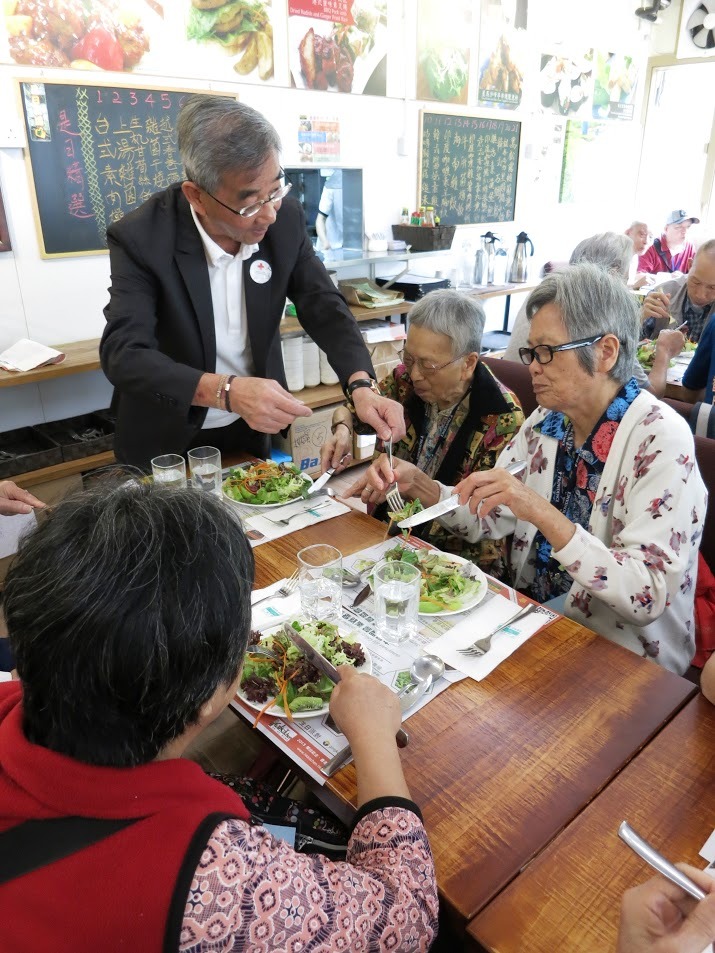 上至經理、餐桌禮儀師,下至洗碗、搬運工人,甚麼工作都做過。(圖片由受訪者提供)
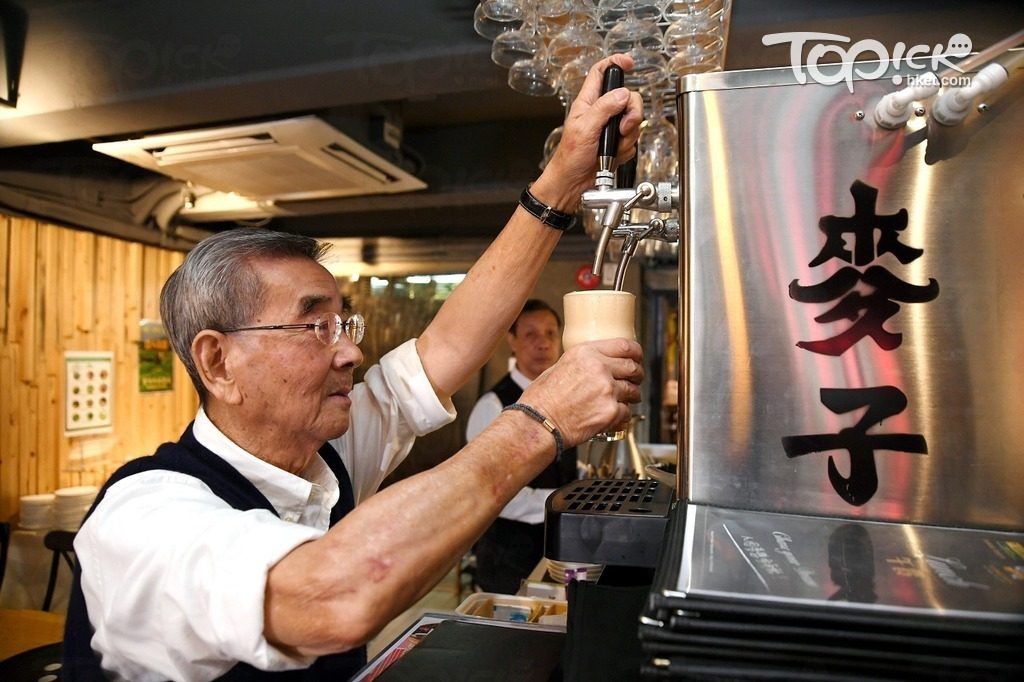 Patrick如今在長沙灣剛開張的新店銀杏時光中做經理。(程志遠攝)
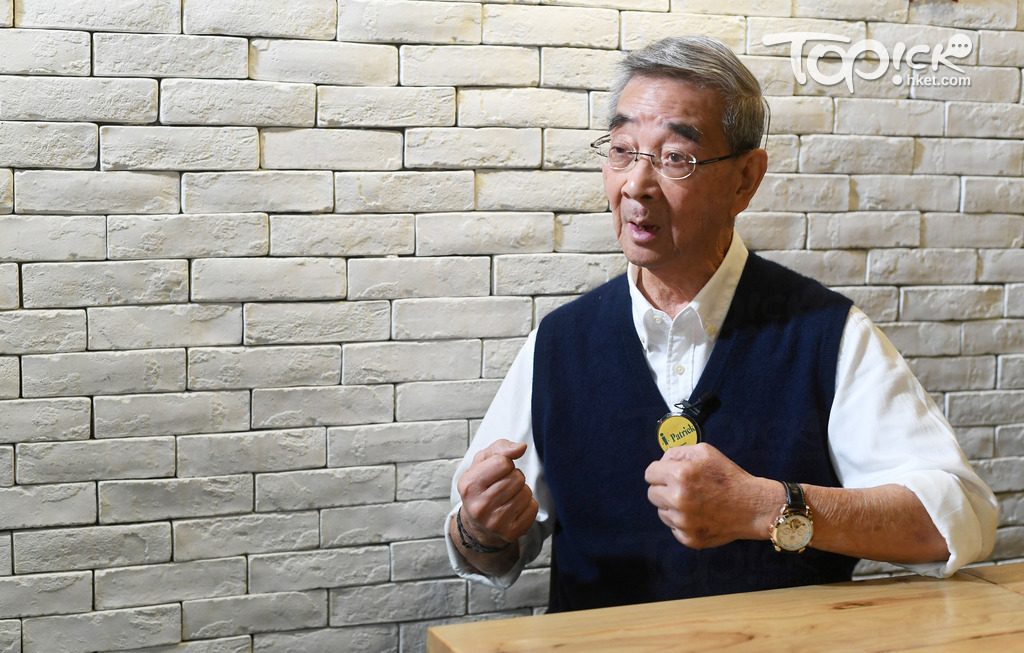 患癌期間,為了不讓家人擔心,不論多辛苦,Patrick都會表現出一副開心的樣子。( 程志遠攝)
 Patrick癌症康復後發掘了唱歌的潛能,更組成樂隊於不同場合表演。(圖片由受訪者提供)
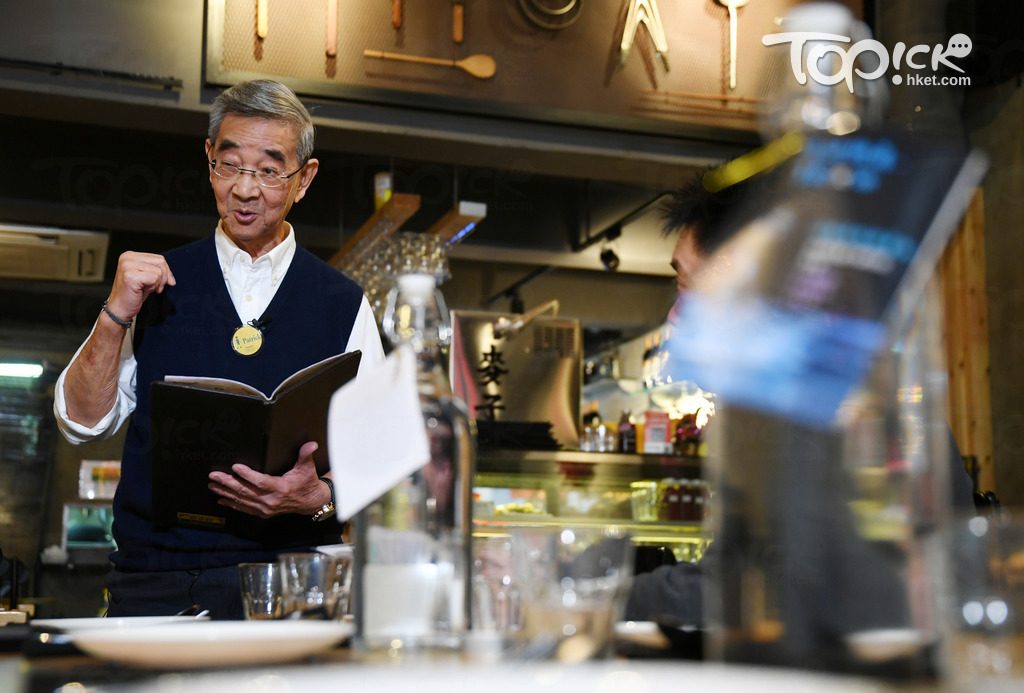 Patrick最喜歡唱歌和接侍客人,這帶給他莫大的滿足感和開心。(程志遠攝)
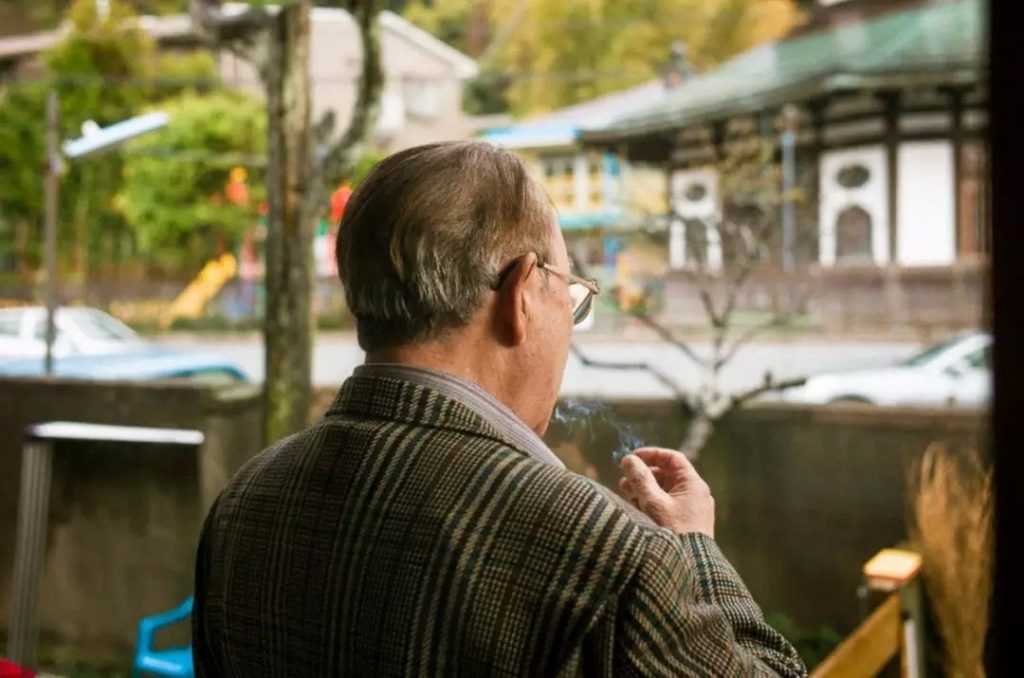
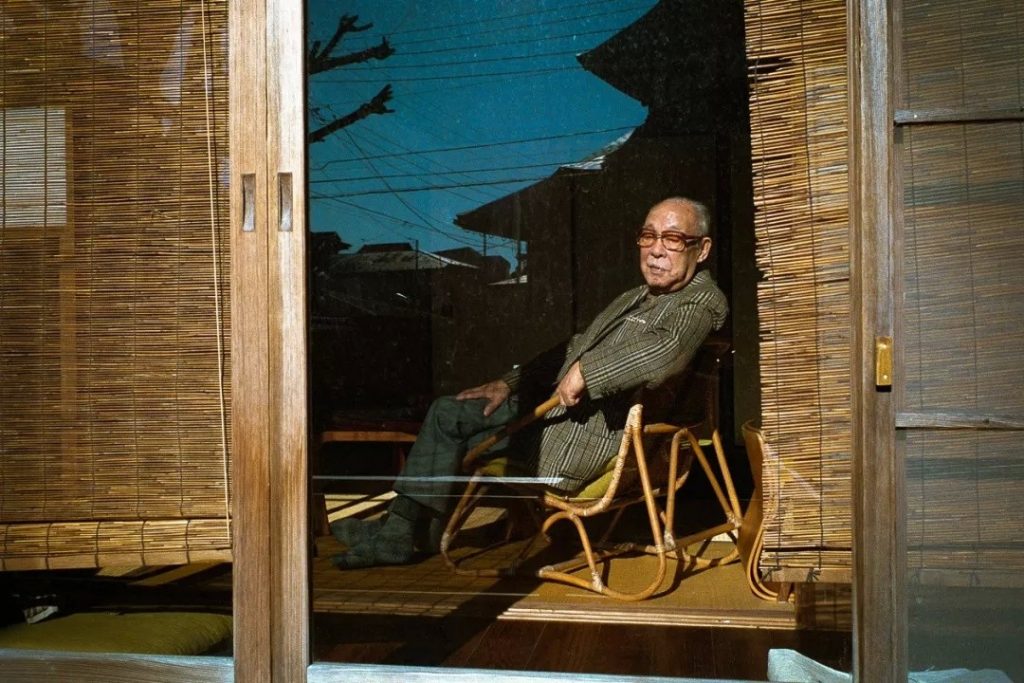 有時坐在客廳的椅子上曬著太陽、打著盹。
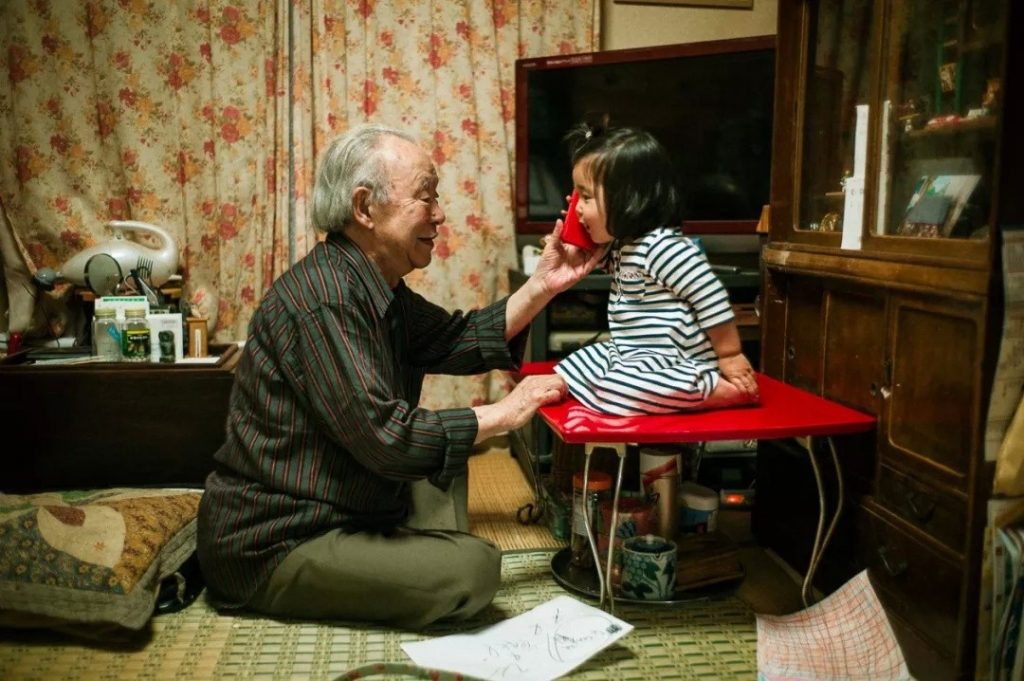 在家裡,照常和孫女玩樂,在孫女面前表現出有活力的一面。
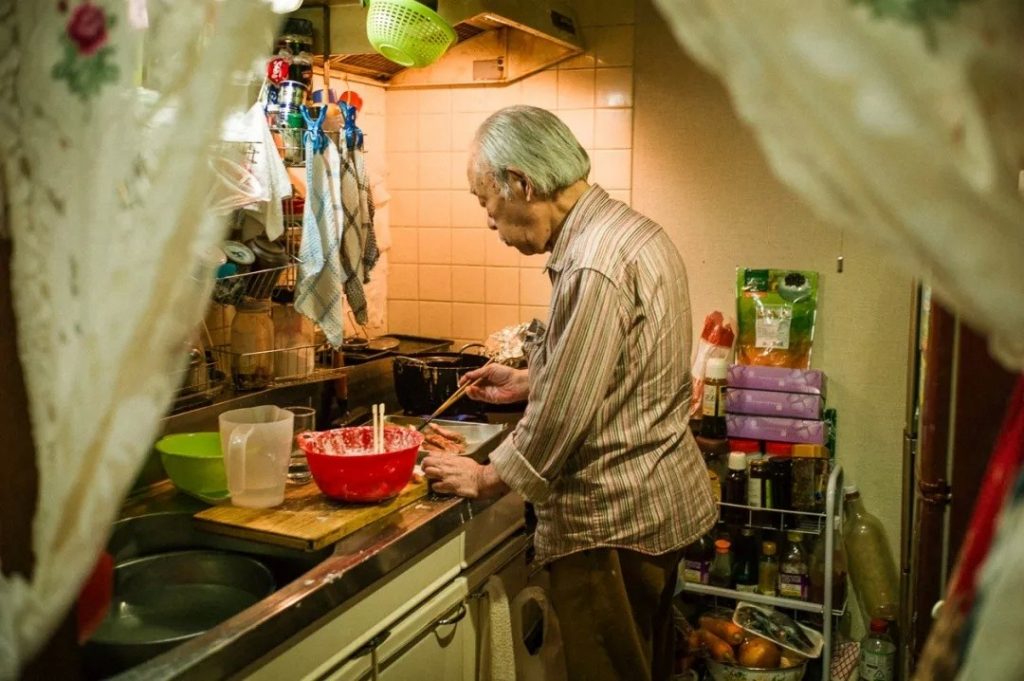 或是照常下廚、烹煮料理給家人吃。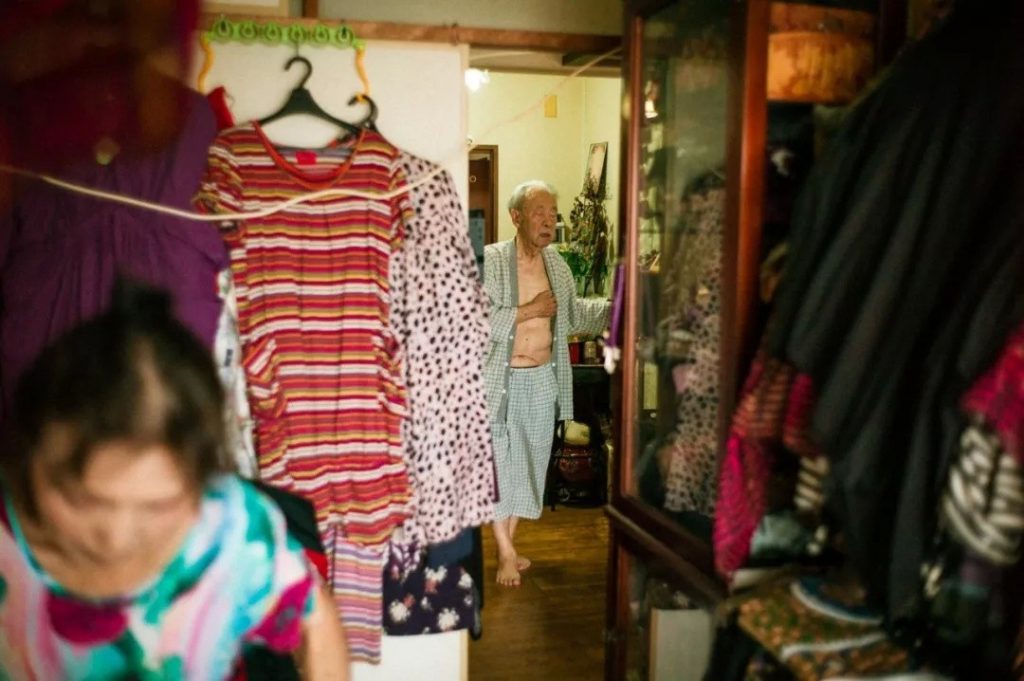
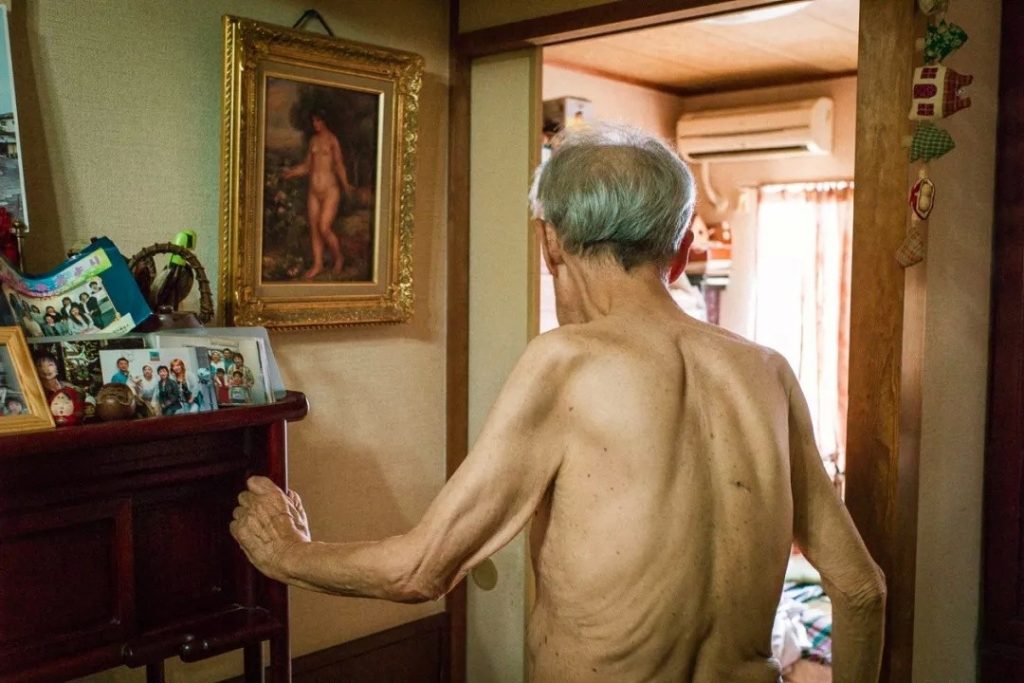 但從Noguchi的照片中也可以發現,他的父親越來越憔悴、瘦弱。
 但Noguchi的父親仍堅持每天陪妻子外出買菜,即便腳步越來越無力。
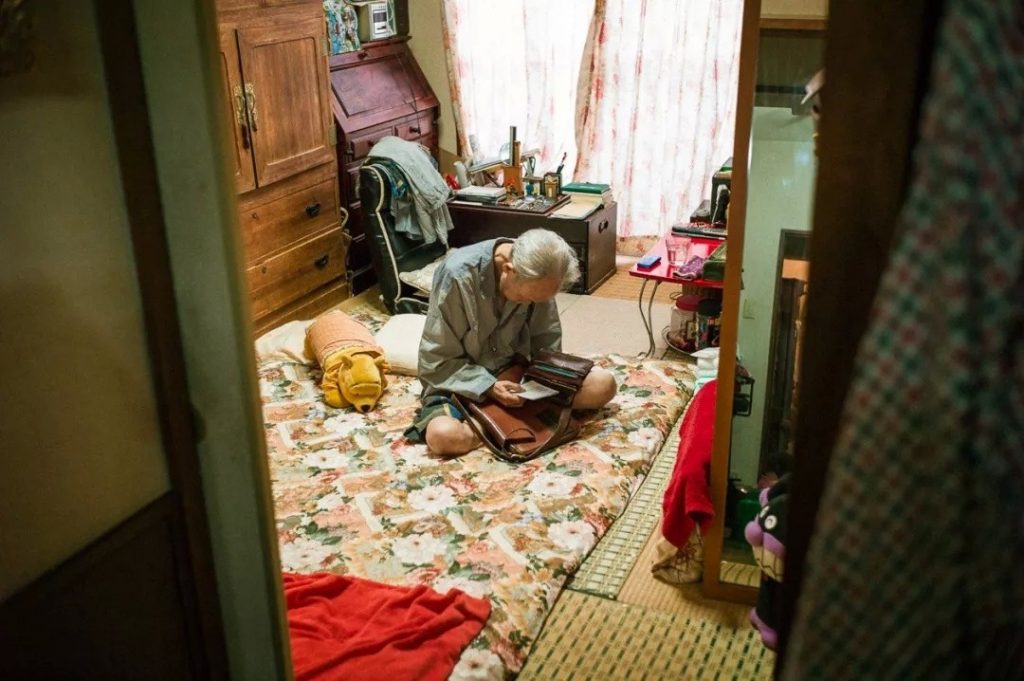 有一天,Noguchi的父親突然很不舒服,再度被送進醫院,當晚回到家後,他突然拿出抽屜裡的相片本,一張一張的看著。
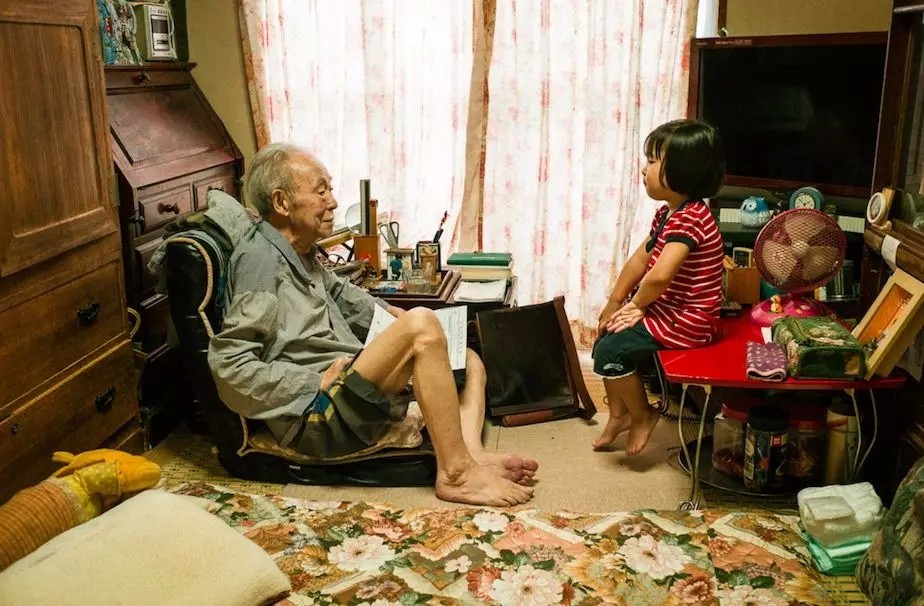 他開始教導孫女為人處世的道理,也要孫女快樂長大,且堅強獨立。
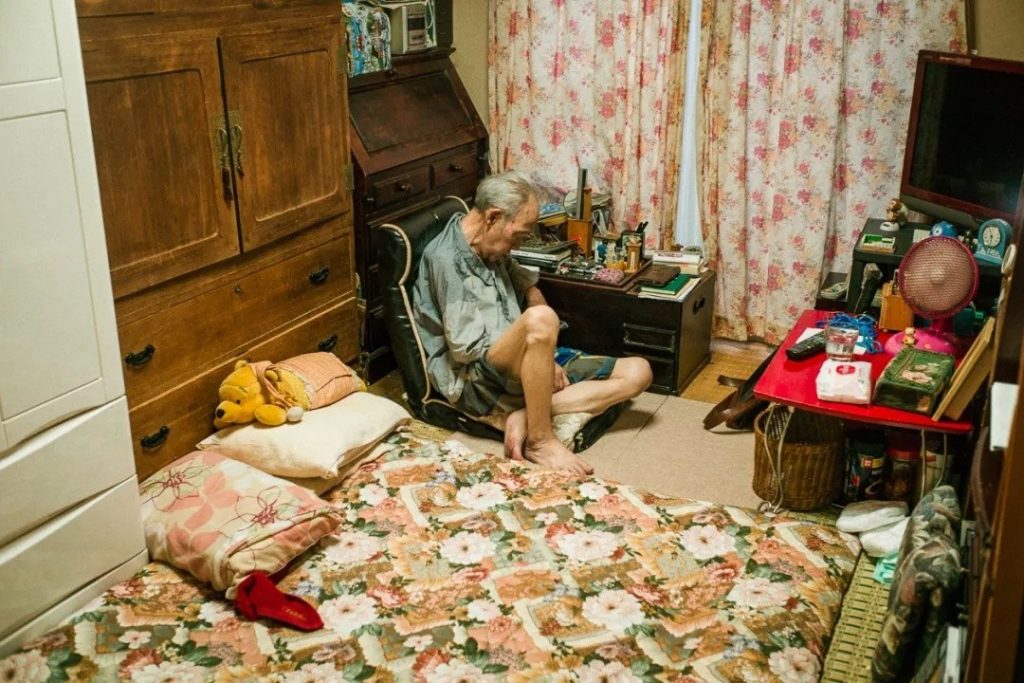 講著講著,Noguchi的父親慢慢闔上眼、睡著了。而這張照片,成了Noguchi的父親生前最後一張…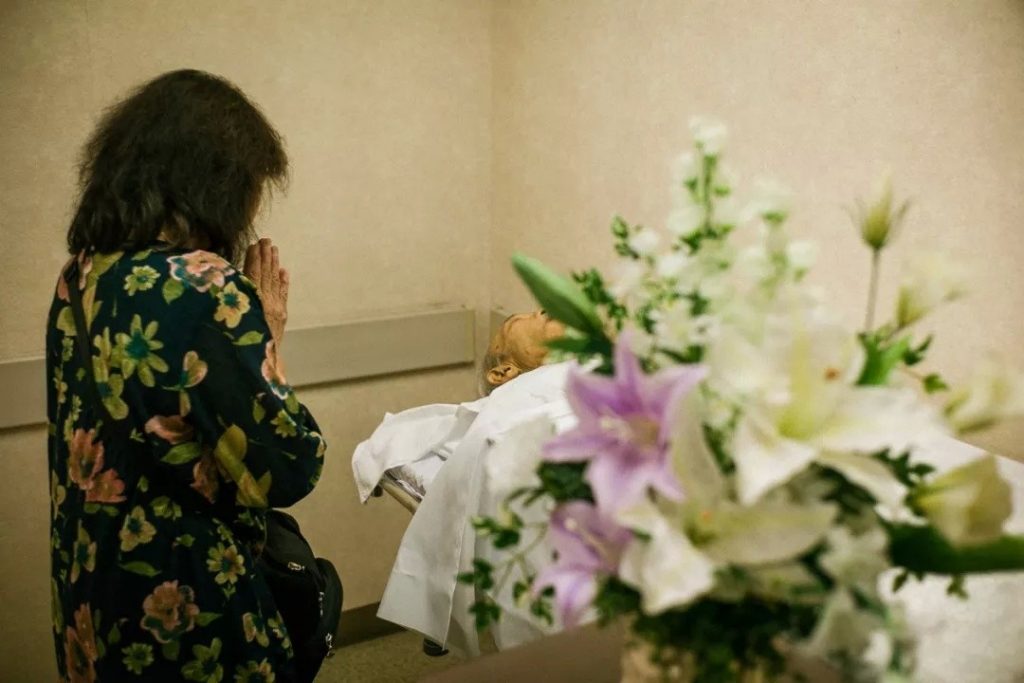
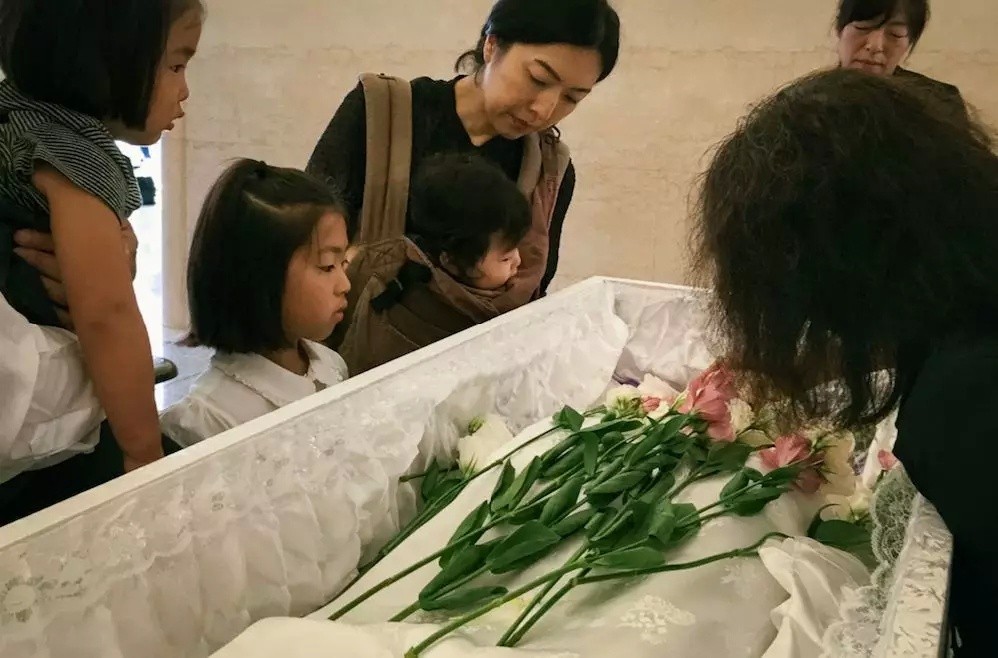 喪禮當天,Noguchi本來打算停止拍攝,但他的母親說,「繼續拍吧!你父親不希望你停下來,幫他記錄下來吧!」