









一種新葯能破壞癌細胞生物鍾
北京新浪網 (2019-01-26 10:11)
新華社洛杉磯1月25日電(記者譚晶晶)美國南加州大學和日本名古屋大學的研究人員日前合作研發出一種新葯,可通過破壞癌細胞生物鍾的方式來抑制癌細胞生長。
眾所周知,擾亂生物鍾節奏會損害人體健康,對細胞的生物鍾也是如此。如果能擾亂癌細胞的生物鍾,理論上可以損害或消滅這些癌細胞。
研究團隊在新一期美國《科學進展》雜誌上報告,他們對人體腎癌和小鼠急性髓細胞白血病的癌細胞開展了研究。結果發現,一種名為GO289的分子可以通過阻礙癌細胞的生物鍾從而放慢其生長周期,同時對健康細胞幾乎沒有影響。
研究人員說,GO289藥物與一種控制細胞生物鍾的酶能相互作用,這種相互作用可以破壞對細胞生長和存活至關重要的其他4種蛋白質的功能。
南加州大學麥克爾森趨同生物科學中心主任史蒂夫·凱表示,在某些癌症中,疾病控制了生物鍾機制並刺激癌細胞生長,而GO289可以干擾這些過程並阻止癌症的發展,這種藥物「可能成為消滅癌症的有效新武器」。
ScienceDailyCancer has a biological clock and this drug may keep it from ticking
A promising drug slows cancer’s circadian clock, halts its spread
Date:January 23, 2019
Source: University of Southern California
Summary: Scientists find and test a promising drug that stops cancer by interfering with the cancer cells’ metabolism and other circadian-related functions.
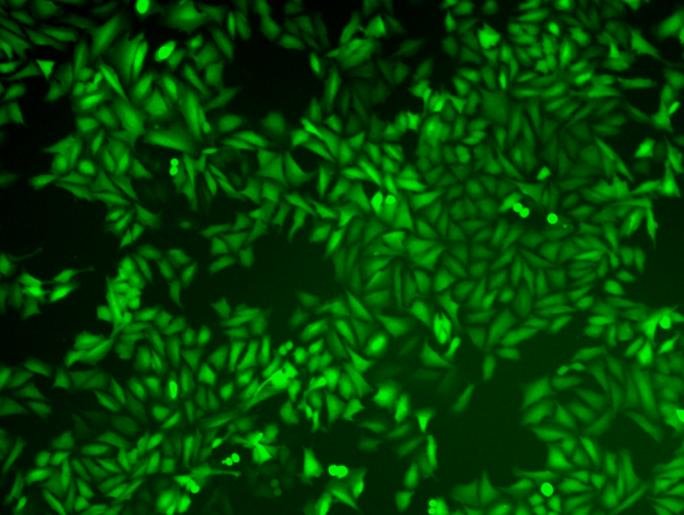
A new drug shows potential to halt cancer cells’ growth by stunting the cells’ biological clock.
The findings from scientists at the USC Michelson Center for Convergent Bioscience and Nagoya University’s Institute of Transformative BioMolecules (ITbM) advance a burgeoning area of research: turning the body’s circadian rhythms against cancer.
Their study, conducted on human kidney cancer cells and on acute myeloid leukemia in mice, was published Jan. 23 in the journal Science Advances.
Scientists know that disrupting sleep and other elements of humans’ circadian rhythm can harm health. The same is true for the circadian clock of cells themselves. If researchers could disturb the circadian clock of cancer cells, they theorize, they could potentially hurt or kill those cells.
The scientists found that a molecule named GO289 targets an enzyme that controls the cell’s circadian rhythm. This drug-protein interaction then disrupts the functions of four other proteins that are important for cell growth and survival.
In effect, GO289 can jam the cogs of the cell’s circadian clock, slowing its cycles. And it can do so with little impact to healthy cells.
“In some cancers, the disease takes over the circadian clock mechanism and uses it for the evil purpose of helping itself grow,” said Steve Kay, director of convergent biosciences at the USC Michelson Center and USC Provost Professor of Neurology, Biomedical Engineering and Biological Sciences. “With GO289, we can interfere with those processes and stop the cancer from growing.”
Kay is among several scientists from USC Dornsife College of Letters, Arts and Sciences, USC Viterbi School of Engineering and Keck School of Medicine at USC who are collaborating across multiple disciplines to find new solutions for treating cancer, neurological disease and cardiovascular disease.
Finding the right candidate
On its initial interactions with human bone cancer cells, GO289 appeared to slow the tumors’ circadian clock as it targeted an enzyme, named CK2.
To see if GO289 consistently hindered other cancers in the same way, the scientists then tested it on human kidney cancer cells and on mice with acute myeloid leukemia. They found that GO289 specifically affected cancer cell metabolism and other circadian-related functions that normally would enable the cancer to grow and spread.
Kay is optimistic about the findings. “This could become an effective new weapon that kills cancer,” he said.
文章來自: (中) 北京新浪網
(Eng) ScienceDaily