調查發現,昆士蘭的皮膚癌患者數量居全澳首位,與其它州的皮膚癌患者相比,昆州患者更容易出現復發現象。非黑色素瘤皮膚癌是一種常見的癌症,在昆州人口中55歲以上的男性患病的比例最高。
據布里斯本時報報導,昆士蘭一個名叫QIMR Berghofer癌症控制組織的負責人David Whiteman帶領該研究小組對45,000名昆士蘭居民進行了調查,結果發現在2011 – 14年,20歲以上的人群中有近7%的人通過手術治療切除了非黑色素瘤皮膚癌變組織。據調查數字顯示他們其中的幾乎一半人,在這三年內又出現了反覆。他說:「7%的人口患有皮膚癌,這是一個很嚴重的問題。皮膚癌的患者承受著極大的痛苦和精神上的壓力,同時需要支付很大的費用。」
Whiteman指出,每年全澳的醫院一共接受超過95,000名的非黑色素瘤皮膚癌患者,其中因病死亡者超過500名。他表示,住在昆士蘭的居民,由於離赤道近而受到更多的陽光照射,他們患皮膚癌的比例比澳洲其它地區的人口高60%。
他說:「我們發現男性與女性患皮膚癌的比例不相稱,男性的比例高於女性」「我們澳洲的確需要有一個完善的方法,減少皮膚癌的患者。」據悉,該項調查刊登於澳大利亞醫學雜誌(Medical Journal of Australia)。
責任編輯:楊帆
http://www.epochtimes.com/
The Australian demographic at highest risk of skin cancer revealed – so are YOU among them?
- Queensland men aged over 55 face a greater risk of skin cancer, research shows
- Men from the Sunshine State are at a higher risk of non-melanoma skin cancer
- Skin cancers are caused by chronic long-term sun damage, the study found
- By the age of 70, around half of all Australian men are treated for skin cancer
By Australian Associated Press
PUBLISHED: 00:21 BST, 16 October 2017 | UPDATED: 05:01 BST, 16 October 2017
Australians diagnosed with skin cancer are most likely to be a Queensland man aged over 55 years, new research shows.
Researchers at QIMR Berghofer Medical Research Institute found Australian men from the Sunshine State are at the highest risk of non-melanoma skin cancer.
Around one in 14 adults over the age of 20 had at least one non-melanoma cancer removed between 2011 and 2014, and almost half of those had more than one cut out, Analysis of Medicare data, published in the Medical Journal of Australia, found.
Queensland men aged over 55 face a greater risk of skin cancer, new study finds (stock image)
Rates in Queensland were nearly twice the national average and almost three-fold higher than Victoria and Tasmania.
In total, more than 183,000 skin cancers were removed over the four years.
Basal cell carcinomas (BCCs) and squamous cell carcinomas (SCCs) cause more than 95,000 hospital admissions each year in Australia and account for more than 500 deaths.
Significantly, the analysis found that 74 per cent of all skin cancers that were removed came from just 47 per cent of Australians who had skin cancer treatment.
In other words, the vast majority of skin cancers arose in a relatively small pool of people.
Professor David Whiteman, from QIMR Berghofer Cancer Control Group leader, said 'by the age of 70, half of all Australian men are treated for skin cancer'.
'They're typically older males; men over the age of 70 if they get one skin cancer they are really likely to get more,' Professor Whiteman said.
'Our results show that by the age of 70 years, around half of all Australian men treated for skin cancer will have another excision within four years.'
Significantly, the analysis found that 74 per cent of all skin cancers that were removed came from just 47 per cent of Australians who had skin cancer treatment (stock image)
While not commonly fatal, these common forms of skin cancers are 'hugely' costly, says Professor Whiteman.
'These kinds of skin cancers are caused by chronic long-term sun damage and so the people who are getting them are usually in the 50s, 60s and 70s and the rates go up almost 10-fold with age, they rapidly rise with age,' Professor Whiteman said.
'So what you are seeing in the people who are currently in their 70s is the result of sun exposure they had 30, 40 and 50 years ago.'
Professor Whiteman says the research shows the need for greater surveillance of this group of skin cancer patients.
'Because the likelihood is that they'll have more in the next couple of years and the sooner you can treat them the less the damage the patient incurs and the less likelihood there is a spread of the cancer.'
Heather Walker – Chair of the Skin Cancer Committee at Cancer Council Australia – says the message is clear; sun protection is just as important as ever.
'Use sun protection, keep an eye on your skin and go to the doctor if you notice anything unusual,' Ms Walker said.
Read more: http://www.dailymail.co.uk/femail/article-4983308/Queensland-men-aged-55-skin-cancer-study-shows.html#ixzz4wFdbsTV8
Follow us: @MailOnline on Twitter | DailyMail on Facebook
















 ( 網络圖片 )
 h
h




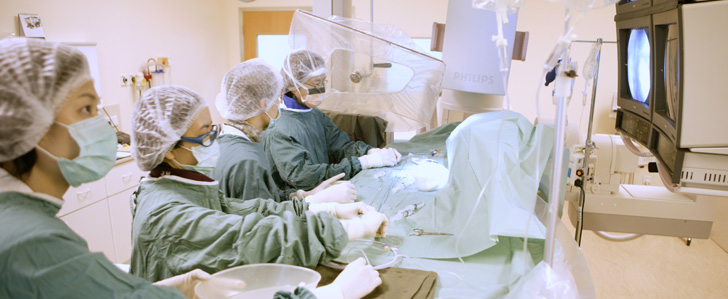
 我第一次接觸透視微創(又稱介入放射)手術,是在二十多年前。一名因患上肝臟膿瘡而導致血液中毒的病人, 急需清除體內膿水以保性命。原來需要接受開刀進肝臟放膿,因為一支到位的針管,從體外直逹肝臟膿疱,把膿水抽除,病人迅速復原,也免除了開刀的創傷。病人當然很感激,我也開了眼界。這種以影像導引的手術,結合了創新科技與醫療技術,逹到治病目的。只需透過一個針孔的傷口便能完成任務,與