


想了解更多癌症資訊?想破解坊間醫學迷思?想更了解心臟病、中風等都市病?🤔
咁就唔可以錯過 #癌症資訊網 喺 VIUTV99 播出,一連9集全新自家製健康資訊節目《健康識唔Sick》啦!
節目每集針對一個疾病主題,請來醫學專家多角度講解病症知識,更會跳出錄影廠,同醫生嘉賓一齊玩!
☀️ 記住Mark低日期時間📝,9集精彩內容,等你收睇!🤩
🍎《健康識唔Sick》
📆 10月6日起,逢星期日
🕰️ 早上9點 – 9 點半
📺 VIUTV 99
播放清單:
想了解更多癌症資訊?想破解坊間醫學迷思?想更了解心臟病、中風等都市病?🤔
咁就唔可以錯過 #癌症資訊網 喺 VIUTV99 播出,一連9集全新自家製健康資訊節目《健康識唔Sick》啦!
節目每集針對一個疾病主題,請來醫學專家多角度講解病症知識,更會跳出錄影廠,同醫生嘉賓一齊玩!
☀️ 記住Mark低日期時間📝,9集精彩內容,等你收睇!🤩
🍎《健康識唔Sick》
📆 10月6日起,逢星期日
🕰️ 早上9點 – 9 點半
📺 VIUTV 99
播放清單:

丙型肝炎是一種由病毒感染引致的肝炎,不似乙型肝炎般普遍,但破壞力卻同樣厲害,可以誘發肝硬化及肝癌等嚴重併發症。幸而現時丙肝的治療十分有效,利用直接抗病毒藥物進行治療「斷尾」的成功率超過九成,因此醫院管理局近年亦積極追蹤有記錄的丙肝患者,鼓勵他們接受治療,減低日後出現肝病併發症之餘,也有助清巢病毒阻截傳播。根據衞生署2020年的調查,本港人口帶有丙肝病毒的比率約為0.32%,即約2.2萬人是丙肝帶病毒者。
腸胃肝臟科專科醫生劉煥楠表示,與其他病毒性肝炎一樣,感染丙肝後患者通常也沒明顯徵狀,惟可導致肝細胞發炎,誘發纖維化,最終可演變成肝硬化及肝癌。
不過,礙於丙肝較少見涵蓋在常規體檢項目之中,很多人也未必知道自己患丙肝,更對丙肝的破壞力知之甚少,以為其傷害性不大,甚至不知道丙肝經治療後可以斷尾。
他稱,有些人或覺得待症狀出現才治療也不遲,但其實這是錯誤的觀念,因為當丙型肝炎患者開始出現症狀,例如上腹痛嘔吐作悶等,患者可能已經患上肝硬化及肝癌,這時治療只可以減少影響,但就無法逆轉已造成的傷害。丙肝與乙肝一樣,都是透過體液及血液接觸而傳播,但治療結果則有很大分別,因為乙肝主要是透過藥物抑制病毒活動,無法完全清除病毒,至於丙肝則可以「斷尾」。
劉醫生指出,傳統藥物對丙肝的療效不高,副作用亦多,近年則改用直接抗病毒藥物(Direct-Acting Antivirals)作為一線治療,療程約8至12星期的療程,便可以有效消減體內的丙肝病毒,成功率超過九成。假若丙肝患者沒有肝臟病變或肝纖維化低於三期,完成藥物治療後基本就可視為康復,如肝纖維化達到三期或以上,患者便需要定期接受肝臟掃描,以及早發現可疑病變。
針對丙肝造成的健康威脅,本港參考外國經驗採用「微殲滅」(Micro-Elimination)策略,集中處理丙肝高危群組,將目標群組分解為更小及容易管理的組別,例如屬高危群組的美沙酮門診使用者、在囚人士等,並制訂相應的護理計劃。
劉醫生強調,丙肝患者應盡早接受治療,一來可以減低出現肝硬化及肝癌等併發症,二則可以阻截病毒繼續傳人,最後亦能讓自己受惠,原因是丙肝雖可透過治療斷尾,但過後身體不會對病毒有抵抗力,一旦再接觸有可能再次受到感染,如能令整個群組不再帶有病毒,才能最有效搗截病毒傳播的循環。
為精準消滅丙肝,醫院管理局已設立專組,追回並約見曾確診丙肝的患者,向其解釋丙肝的影響及建議治療。劉醫生表示,成年丙肝帶病毒者都應盡早接受治療,其經驗看到大部分人都欣然接受治療,只是直接抗病毒藥與部分胃病、心臟病、抗凝血及抗癲癎藥物相沖,患者在療程期間或需要替換其他藥物或暫時停藥,而常見副作用包括影響睡眠、頭痛、噁心及皮疹等,通常也會自行消退。
最後他提醒丙肝患者,在療程期間不宜服用中藥或中成藥,更要遠離酒精,以及保持健康的生活模式,以保肝臟健康。

感謝 雀巢健康科學 捐贈新一批 Oral Impact 速癒素 ,持續支援基層癌症病人嘅治療需要 ♥️
好多朋友仔飲營養奶係為咗 keep 住體重同增加蛋白質攝取,但其實營養奶仲可以幫助减輕治療副作用。Oral Impact 速癒素 特有三大免疫營養,三管齊下使治療更順利!💪🏻💪🏻
1️⃣ 核苷酸:增加免疫細胞(T淋巴細胞)的數量,提升抵抗力⋆
2️⃣ 精氨酸:提升免疫細胞的活性⋆⋆
3️⃣ 奧美加三魚油:抑制發炎因子形成,有助減少炎症產生⋆⋆⋆
有需要嘅癌症患者,請致電 ☎️ 3598-2157 癌症資訊網慈善基金
⏰ 辦公時間: 星期一至五 10 am – 5 pm | 午膳時間:1- 2 pm 星期六、日及公眾假期休息
📍此為特殊醫用食品,遵照醫生或醫護人員指示下飲用。
⋆ Hess JR, Greenberg NA. Nutr Clin Pract 2012;27:281–294.
⋆⋆ Rodriguez PC, et al. J Biol Chem 2002; 277:21123–21129.
⋆⋆⋆ Calder PC. Biochem Soc Trans 2005;33:423–427.

誰想過年僅三十多歲便罹患晚期大腸癌。現年35歲的李先生,約在兩年前因大腸出血而確診直腸癌,並出現多發性肝轉移,無法以手術切除,屬於晚期大腸癌,癌症指數高達886。
李先生隨即展開標準治療即化療加標靶藥,六個月後病情惡化,於是進入第二線治療,結合口服化療及標靶藥,但腫瘤仍未獲有效控制,病人此時難免感到氣餒,幸好有親友的鼓勵及主診醫生詳細指導及解釋第三線治療方案,最終李先生決定接受聯合治療方案(新型口服化療藥加上注射性標靶藥物(血管生成抑制劑))。
經過三個月的第三線聯合治療後,李先生病情獲得進展,腫瘤縮小,癌症指數亦由治療前的88降至22,體積較大的肝轉移腫瘤也可利用局部放射治療處理,而李先生的生活質素亦得以改善,原因是減少了因注射性化療藥而引起的脫髮及手指腳趾麻痺等副作用,他甚至可以如常工作及出外工幹。
臨床腫瘤科專科梁廣泉醫生直言,每一位癌症病人都是勇士,但面對連場硬仗,有時難免會出現治療疲勞,在漫長的治療過程中會有情緒低落的時候,這時更需要家人、朋友及醫護的關懷和鼓勵,配合一些較少損害生活質素而又能兼顧療效的治療,以繼續對抗癌症。
他指出,現今醫學進步,晚期大腸癌病人也有不少治療方案,且存活期也不斷改善,從臨床經驗觀察,晚期大腸癌的存活期中位數或可延長至超過三年,甚至可從「持續護理」的概念讓病人在持續治療下控制腫瘤,與病共存。本地大學研究發現,大約40%病人經過一、二線藥物治療後仍可受惠於第三線以及後線的治療。
近十年晚期大腸癌的治療藥物發展頗為蓬勃,例如單一新型口服化療藥以及口服標靶藥。因此,亦促成了更有效的聯合藥物治療方案(新型口服化療藥聯合血管生成抑制劑)。
梁醫生稱,對於後線晚期大腸癌患者來說,聯合治療是常用的治療手段,目的是結合不同藥物的作用機理,希望取得相輔相承的功用,以提高整體治療效果。他引述一項在《新英格蘭醫學雜誌》發表的第三期大型研究數據,表明聯合治療比單一治療更可以延長存活期亦無損生活質素,因此多個國際臨床指引均建議使用聯合治療為晚期大腸癌第一、二線治療,第三線治療也建議首選新型口服化療藥聯合血管生成抑制劑,控病效果比單一治療更為理想。
對於後線晚期大腸癌病人而言,除了控病外,減少治療的副作用以維持自理能力及生活質素,也是治療成功及持續治療的重要一環。梁醫生表示,治病亦要讓病人能夠繼續發揮原有的角色,例如照顧家庭甚至如常工作,若治療令病人太辛苦,任何事情也做不到絕不是好事,而臨床數據顯示,聯合治療與單一治療的副作用相若而且是可預期的。幸而針對治療副作用的輔助藥物亦有很大進步,例如影響骨髓功能可以注射升白針,嘔吐則有新式止嘔藥,尤其是上述所提及的新型口服化療藥,其引起的副作用一般可利用簡單輔助藥便可有效處理,幫助病人維持良好的生活質素。最後梁醫生鼓勵病人,不要過早放棄,現時藥物不斷推陳出新,讓病人有更多適合自己的選擇,最重要是病人要主動同醫生溝通和查詢不同方案的利弊。
最近,癌症資訊網慈善基金(下稱本基金)接獲多名人士查詢有關一名血科女病人劉小姐、其家人及主診醫生的資訊。該人等在社交媒體分享多張劉小姐於本中心參與活動的相片,分享劉小姐病情進展。經本中心查證,部分照片是竊取真正患者生活及住院照後製合成,存在捏造成分。抗癌路不容易,我們樂見病人間互相鼓勵交流有用資訊,但痛心有人利用這點疑似進行詐騙,以圖得到他人信任及金錢援助。
本基金已就此事報案,並提供相關資料予警方查證。在此,本基金提醒各位若遇到任何自稱為病患者並要求金錢援助的情況,請務必仔細核實有關資訊的真偽,或建議對方直接尋求社福機構援助。


根據香港癌症資料庫,2015 年香港有766個新症胰臟癌確診個案,同年約有691個病人死於此病,死亡率奇高;而無論是香港還是國際的數據顯示,胰臟癌的五年存活率僅百分之三至五。
1.胰臟位處腹部深處,故很多時病發早期並無任何病徵,當確診時已屆晚期,錯失治療的黃金機會。
2.胰臟癌有明顯的早期擴散傾向,研究顯示若腫瘤大於三公分,超過九成患者血液內已有微擴散 (micro-metastasis),大大增加了根治的難度。
3.大部分的胰臟癌細胞對傳統化療及電療並不敏感,故治療效果往往並不理想。
4.胰臟其中一項主要功能是幫助消化,而其位置貼近胃部及十二指腸等消化器官,故很多患者俱感到消化不良,營養狀況並不理想,治療效果再打折扣。
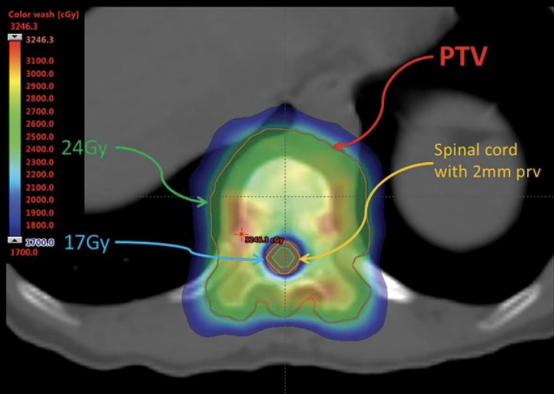
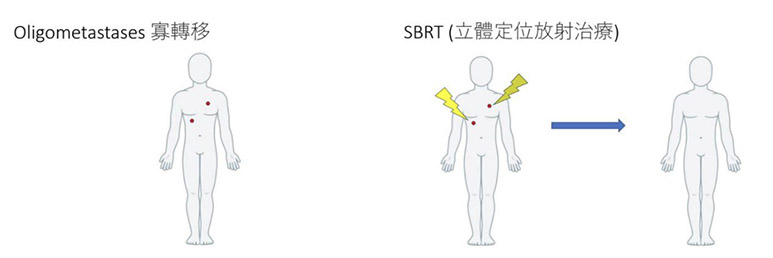
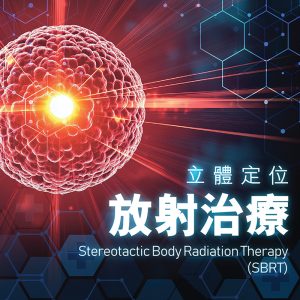
傳統電療對中期胰臟癌的治療效果並不理想,主因是胰臟被十二指腸及胃部所包圍,這些消化器官的正常細胞對電療極之敏感,為避免造成不必要的損傷,故電療劑量往往未能增加,因而無法對癌細胞有效控制。全身立體定位放射治療利用高精準的放射線來瞄準腫瘤而避開正常組織,從而能提高劑量以達更有效控制腫瘤的目標,而副作用也相對較少,療程亦較短。
此治療技術要求較高,由於胰臟與十二指腸或胃部只有數毫米 (mm) 的距離,故病人需於治療前一兩星期,先透過內窺鏡於腫瘤附近放入數粒金屬標記 (marker) 以幫助電療時作對位之用,務求能絲毫不差命中目標。研究顯示SBRT 一年局部控制率高達80% 以上,遠較傳統電療的50% 左右理想,副作用也相對較少;更難能可貴的是,當SBRT配合新一代的化療使用,部份原本不能切除的腫瘤,經治療後縮小能讓外科醫生作根治性的切除。相較以往,中期病人的平均壽命只有一年左右而絕大部分均不能根治,此新技術實在為病人帶來重生的希望。

SBRT為胰臟癌患者帶來了多重好處:
儘管SBRT的副作用相對較少,但仍可能出現一些反應,包括:
總結來說,立體定位放射治療為胰臟癌患者提供了新的治療途徑。但需要注意的是,SBRT並非適用於所有胰臟癌的患者。 治療決策應該是個體化的,如欲獲取更多有關該這治療的方法,建議患者向專業醫療人員諮詢,以獲取針對個人情況的最佳建議。


【2024年9月11日,香港】癌症資訊網慈善基金(下稱CICF)首次參與於2024年9月7至10日在美國聖地牙哥舉行的世界肺癌大會(World Conference on Lung Cancer, WCLC),並有幸就其首次低劑量肺部電腦掃描(下稱LDCT)肺癌篩查計劃的結果進行海報演講。該研究由CICF主導進行,並獲榮譽顧問司徒達麟醫生支持及撰寫成題為“Brief Report: Real-World First Round Results from a Charity Lung Cancer Screening Program in East Asia“的研究報告。
研究詳細記錄了CICF於2021年12月至2022年11月期間進行的首次LDCT肺癌篩查計劃結果。該計劃為100名符合條件的申請者提供了免費的LDCT篩查,其中99名完成了篩查計劃。參與者中99%有家族肺癌病史,71%為從未吸煙者。研究結果顯示,在單輪篩查後,47名參與者(47%)的LDCT結果呈陽性。值得注意的是,屬姊妹群組患肺癌病史(28%對8%,p = 0.01)和來自多發性家族,即有兩名或以上家庭成員有肺癌病史的家庭(47%對23%,p = 0.02)是與LDCT陽性結果相關的因素。更重要的是,6名參與者(6%)因LDCT陽性結果而被確診為肺癌(均為腺癌)。

根據研究數據,在這6名被確診為肺癌的參與者中,4人為第一期肺癌,5人接受了根治性手術治療。其中一名患者被診斷為第四期肺癌,接受了非手術治療。司徒達麟醫生表示:「雖然這只是一個民間慈善團體自發的篩查計劃,但所獲得的結果與其他地區研究性質的肺癌篩查結果非常相近。這證明了LDCT篩查在實際應用中的有效性,特別是在亞洲地區。」研究還發現,在LDCT陽性的參與者中,屬姊妹群組患肺癌病史的人被診斷為肺癌的風險更高(相對風險 = 5.23)。此外,被分類為Lung-RADS 3或以上(比值比 = 12.08)或被專家認為可疑(比值比 = 63.33)的病變更有可能是肺癌。研究數據還顯示,在6名確診患者中,3名被歸類為Lung-RADS 4類(4A或4B),表明這些類別確實與較高的肺癌風險相關。同時,專家的臨床判斷也起到了重要作用,所有6名確診患者的病變都被專家評為「可疑」並建議進行治療。
癌症資訊網慈善基金主席方嘉儀女士表示:「能夠在如此大型的國際會議上展示我們的工作,是一個十分寶貴的經驗,也是對我們工作的一個認可。我們很高興能與來自不同國家的專業人士交流肺癌篩查計劃的看法。這促使我們繼續為大眾出一分力。」這項研究為未來在香港實施肺癌篩查計劃提供了重要的參考。結果表明,在考慮未來制訂低制量肺部篩查藍圖中,家族肺癌病史可能是一個關鍵的指標因素。此外,如何根據LDCT檢測到的病變特徵來決定進一步干預,也需要更多的定義和研究。
癌症資訊網慈善基金主席方嘉儀女士補充道:「肺癌是香港最常見和致命的癌症之一。通過這次篩查計劃,我們看到了早期發現和治療的重要性。我們希望這項研究能引起社會各界對肺癌篩查的重視,讓更多市民受益。」癌症資訊網慈善基金將繼續關注肺癌篩查的發展,並計劃在未來開展更多相關的公益專案,為香港市民的健康把關。


Sep 11th, 2024 香港–行動基因香港ACT Genomics (Hong Kong) Limited (行動基因)與癌症資訊網Cancerinformation正式簽署合作協議(MoU),旨在促進癌症患者對癌症及精準醫療的認識,並提高相關檢測的重要性。此項合作雙方共同致力於推動患者教育及增進精準醫療可近性的目標。
行動基因集團的執行長Walt Ling表示:「行動基因致力於為患者提供快速、穩定、高品質的精準醫療檢測。我們與癌症資訊網的合作,將不僅增進癌症患者對精準醫療的認識,還將促進基因檢測的可及性和普及性。我們非常重視患者教育,透過這次合作,我們將推出一系列的宣導活動和資源,幫助患者更清楚地了解他們的治療選擇和如何利用最新的醫療科技來改善他們的治療效果。我們相信,只有通過知識的傳遞,才能真正賦予患者權力,讓他們能夠做出最有利於自身健康的決策。」
癌症資訊網慈善基金主席方嘉儀(Natalie Fong)亦表示說:「我們非常高興能與行動基因香港攜手合作。這次合作不僅在於提供精準醫療的技術支援,更重要的是通過教育和宣導,讓患者及其家屬深入了解癌症治療的最新發展和選擇。我們希望通過這些教育活動,能夠提供患者更多的選擇、更廣闊的視野和重要的支援。我們的目標是幫助患者更全面地了解他們的病情和治療選擇,並提供有力的支持,幫助他們在抗癌的路上走得更遠。」
此次合作預計將顯著提升癌症患者和大眾對精準醫療及其相關檢測的重要性的了解,促進對癌症治療選擇的知識普及。透過行動基因香港提供的特別折價計劃,患者接受精準醫療的門檻將大幅降低,從而促進更多患者進行早期基因篩檢和診斷,實現早期治療,提升存活率和生活品質。此外,這一合作亦能幫助醫生更精準地為患者制定個性化治療方案,增強治療效果。雙方透過教育和資源共享,將進一步增強患者在治療決策過程中的主動性和參與度,使他們能夠更有信心地面對癌症治療過程。
行動基因香港和癌症資訊網將攜手合作,為癌症患者及其家庭帶來更多的希望和支持。這一合作不僅僅是兩個機構之間的協議,更是對所有癌症患者及其家庭的一種承諾,旨在通過先進的醫療技術和教育活動,幫助他們戰勝癌症,迎接更光明的未來。

Sep 11th, 2024 Hong Kong – ACT Genomics (Hong Kong) Limited (“ACTG”) and Cancerinformation have officially signed a Memorandum of Understanding (MoU) to enhance cancer patients’ understanding of cancer and precision medicine and to emphasize the importance of related testing. This collaboration is dedicated to advancing patient education and increasing the accessibility of precision medicine.
Walt Ling, CEO of ACTG Group stated, “ACTG is committed to providing fast, reliable, and high-quality precision medical testing for patients. Our collaboration with Cancerinformation will not only enhance cancer patients’ awareness of precision medicine but also promote the accessibility and widespread use of genetic testing. We place a strong emphasis on patient education, and through this collaboration, we will launch a series of outreach activities and resources to help patients better understand their treatment options and how to utilize the latest medical technology to improve their outcomes. We believe that only through the transfer of knowledge can we truly empower patients, enabling them to make the most beneficial decisions for their health.”
Natalie Fong, Chairperson of the Cancerinformation Charity Foundation, added, “We are very pleased to partner with ACT Genomics (Hong Kong) Limited. This collaboration is not only about providing technical support for precision medicine but, more importantly, about educating and informing patients and their families about the latest developments and options in cancer treatment. Through these educational activities, we hope to offer patients more choices, broader perspectives, and essential support. Our goal is to help patients better understand their conditions and treatment options, providing them with the necessary support to move further along their journey against cancer.”
This partnership is expected to significantly enhance the understanding of the importance of precision medicine and related testing among cancer patients and the general public, promoting the dissemination of knowledge about cancer treatment options. Through the special discount program offered by ACTG, the barrier to accessing precision medicine will be substantially lowered, encouraging more patients to undergo early genetic screening and diagnosis, thereby achieving early treatment and improving survival rates and quality of life. Moreover, this collaboration will help doctors provide more accurate and personalized treatment plans for patients, enhancing treatment outcomes. Through shared education and resources, both parties will further empower patients to take an active role in their treatment decision-making process, giving them more confidence in facing the cancer treatment journey.
ACTG and Cancerinformation will work together to bring more hope and support to cancer patients and their families. This partnership is not just an agreement between two organizations; it is a commitment to all cancer patients and their families, aiming to help them overcome cancer and embrace a brighter future through advanced medical technology and educational activities.


Brief Report: Real-World First Round Results from a Charity Lung Cancer Screening Program in East Asia
Alan D. L. Sihoe, MBBChir, FRCSEd, 1, 2 * Natalie K. Y. Fong,3 Alex S. M. Yam,3 Maria M. W. Cheng,3 Dorothy L. S. Yau,3 Alan W. L. Ng3
1CUHK Medical Centre, Hong Kong SAR, China.
2Gleneagles Hong Kong Hospital, Hong Kong SAR, China.
3Cancer Information Charity Foundation, Hong Kong SAR, China.
* Corresponding author
Disclosures:
The charity screening program – but not this retrospective study – was partly sponsored by a charitable donation to the charity from Medtronic (Minneapolis, MN, USA) via Medtronic Hong Kong Medical Ltd.
Dr Sihoe reported receiving consulting fees or honoraria from AstraZeneca, Roche, Medela and Medtronic outside of the submitted work; and having leadership roles in the Asian Society for CardioVascular and Thoracic Surgery, the Asia Thoracoscopic Surgery Education Platform and the Society of Thoracic Surgeons. The remaining authors declare no conflict of interest.
Introduction
Screening with Low Dose Computed Tomography (LDCT) has been proven to potentially reduce the rate of mortality of lung cancer. Lack of real-world data outside of protocolized trials has been cited as an impediment to its more widespread implementation, especially in Asia.

Methods
A single round of LDCT was provided through a community-based charity program in Hong Kong to asymptomatic adults with a family history of lung cancer and/or smoking history. Anonymized data from this program was analyzed.
Results
LDCT was performed for 99 participants, including 98 (99%) who had one or more family members with history of lung cancer, and 70 (71%) who were never-smokers. After a single round of screening, a positive LDCT was noted in 47 participants (47%). A sister with a history of lung cancer (28% versus 8%, p = 0.01) and a multiplex family (47% versus 23%, p = 0.02) were factors associated with a positive LDCT. Lung cancer (all adenocarcinoma) was diagnosed as a direct consequence of positive LDCT findings in 6 participants (6%), of whom 4 had stage I disease and 5 received surgery with curative intent. In the 47 participants with a positive LDCT, having a sister with a history of lung cancer increased the risk of a lung cancer diagnosis (relative risk = 5.23, 95% confidence interval: 1.09 – 25.21). Detected lesions categorized as Lung-RADS 3 or above (odds ratio = 12.08, 95% confidence interval: 1.27 – 114.64) or deemed by an experienced specialist to be suspicious (odds ratio = 63.33, 95% confidence interval: 5.48 – 732.29) were significantly more likely to turn out to be a lung cancer.
Conclusions
This real-world data demonstrates that a single round of LDCT screening at a community level in East Asia can detect potentially curable lung cancer at a rate comparable to those reported by protocolized trials. When considering future LDCT screening programs in East Asia, a family history of lung cancer may be a key factor indicating a person for screening, and how features of a LDCT-detected lesion should trigger further intervention warrant further definition.
Screening with Low Dose Computed Tomography (LDCT) has emerged as potentially the most powerful means of reducing the mortality of lung cancer [1-3]. The American National Lung Screening Trial (NLST), the European NELSON trial, and the TALENT study from Taiwan demonstrated that LDCT can detect early stage lung cancer, potentially allowing curative therapy [2-4].
However, the implementation of LDCT screening worldwide has encountered resistance [5-6]. This has been attributed to a lack of: real-world data outside of clinical trials; global consensus over risk factors identifying eligibility for screening; understanding of how screening-detected lesions are managed in real-world healthcare systems; and so on. In particular, the results of clinical trials may have been obtained in highly selected cohorts, following specific protocols, predominantly at large academic institutions [7-9]. There is growing recognition that more real-world data is required to help the formulation of future lung cancer screening algorithms.
This study aims to analyze the data collected from the first round of a community-based, charity LDCT lung cancer screening program in Hong Kong to understand whether the efficacy of LDCT screening seen in international trials can be replicated in a real-world setting.
Patients and Management
From December 2021 to November 2022, a Charity Foundation in Hong Kong offered a single round of free LDCT screening to 100 eligible applicants from the public on a ‘first come, first served’ basis. Participation was voluntary and no incentives were offered to participants. The eligibility criteria were: asymptomatic; age 40 years or older; smoking history and/or family history of lung cancer; no history of previous malignant disease within the past 10 years; and ability to provide informed consent.
Each LDCT scan was assessed by the reporting radiologist, and separately by a specialist surgical oncologist with over 20 years’ experience in treating lung cancer. A LDCT scan was defined as positive if both the reporting radiologist and the specialist noted one or more discrete non-calcified lung nodular lesion. Each lesion was classified as a solid nodule, part-solid nodule, or ground glass opacity (GGO), and further categorized using the Lung-RADS™ Version 2022 Assessment [10]. The specialist additionally gave a comment on whether any identified lesion appeared suspicious of being a malignant neoplasm, and warranted further medical attention. As the charity was not a medical facility, any such further medical management was undertaken by the public health service of Hong Kong.
The charity subsequently maintained phone contact with all screening program participants. Participants were invited to report (on a voluntary, non-incentivized basis) if they were subsequently diagnosed to have lung cancer.
Data Collection and Analysis
This was a retrospective observational study analyzing previously collected data from a single participant cohort.
The data collected by the charity during the screening program were anonymized prior to analysis. All participants were contacted by the charity and all confirmed their consent for their anonymized data to be used in this study. The study was conducted in accordance with the 1996 Declaration of Helsinki, and was approved by the Ethics Committee of the Hong Kong Doctors Union.
The primary end point was the rate of detection of any biopsy-confirmed lung cancer. Fisher’s exact test or two-sample t test was used to test the difference between groups for categorical data or continuous data, respectively. All statistical tests were performed using MedCalc® Statistical Software version 22.017 (MedCalc Software Ltd, Ostend, Belgium).
Participants’ Demographic and Clinical Characteristics
One LDCT scan was arranged for each of 100 participants meeting the eligibility criteria, but one participant withdrew before the LDCT was performed. Data for the 99 participants who received LDCT were analyzed, and their demographic and clinical characteristics are summarized in Table 1. A history of lung cancer in one or more family members was reported by 98 participants (99%). There were 45 participants (45%) who come from a multiplex family (MF), defined as a family with two or more family members with history of lung cancer. There were 29 participants (29%) with a history of smoking, including 16 current active smokers (16%), and 13 ex-smokers (13%). There were 45 participants (45%) with a significant past medical history, defined as having had previous major surgery/intervention or current medical therapy for any non-traumatic pathology.
Table 1:Demographic and clinical characteristics for the 99 participants who received LDCT

Table 2:Background of 6 lung cancer diagnosed patients

LDCT Findings
After this single round of screening, a positive LDCT was noted in 47 participants (47%). Multiple (more than one) lesions on LDCT were noted in 24 participants (24%). At least one solid nodule, part-solid nodule, or ground glass opacity (GGO) was found in 36 (36%), 2 (2%), and 13 (13%) participants respectively. A sister who had lung cancer and a multiplex family were factors associated with a positive LDCT (Table 1).
Of the 47 participants with a positive LDCT, the largest lesion was Lung-RADS category 3 in 12 participants (12%) and Lung-RADS 4 in 5 participants (5%).
The experienced lung cancer specialist commented that the identified lesions in 8 participants (8%) were suspicious of being malignant, and advised intervention. These 8 lesions included Lung-RADS category 2, 3 and 4 lesions in 2, 2, and 4 participants respectively. When correlating the specialist’s comment of a suspicious lesion with a Lung-RADS category of 3 or more, the inter-observer agreement test Weighted Kappa value was 0.40, indicating fair agreement.
Lung Cancer Incidence and Outcomes
After this single round of LDCT screening, a biopsy-confirmed diagnosis of lung cancer was made in 6 participants (6%). In all 6 participants, the diagnosis was a direct consequence of investigations pursued for positive LDCT findings from the screening. In all 6, the histological type was adenocarcinoma. The characteristics of these 6 participants are summarized in Tables 1 and 2.
One patient had stage IV disease by the time of diagnosis and received palliative therapy only. The other 5 participants diagnosed with lung cancer (83%) received surgery with curative intent. Four of those with lung cancer (67%) had stage I disease. In the 2 participants with stage III and stage IV disease, there was a substantial time interval (reportedly 2-4 months) between the LDCT being done and the diagnosis being eventually obtained.
Table3: 47 LDCT positivie result participants comparison

Table 3 summarizes the risk factors analyses for lung cancer amongst the 47 participants with positive LDCT. Having a sister with a history of lung cancer was the only identified patient factor predictive of lung cancer (relative risk = 5.23, 95% confidence interval: 1.09 – 25.21, p = 0.04). Both a Lung-RADS category of 3 or above and a specialist’s comment of a suspicious lesion were significantly predictive of a positive LDCT lesion turning out to be a lung cancer. Five (83%) of the 6 patients with lung cancer had a Lung-RADS 3 or above lesion, compared with 12 (29%) of the 41 positive LDCT patients not reporting cancer (odds ratio = 12.08, 95% confidence interval: 1.27 – 114.64, p = 0.03). Five (83%) of the 6 patients with lung cancer had a lesion deemed suspicious by the specialist, compared with 3 (7.3%) in the 41 LDCT positive patients not reporting cancer (odds ratio = 63.33, 95% confidence interval: 5.48 – 732.29, p < 0.01).
In addition, a seventh participant was subsequently found to have stage I lung cancer despite not having positive findings on the first round of LDCT. Because of his raised awareness of the importance of screening, he later sought out a follow-up LDCT at an undisclosed time later. This follow-up scan detected lung cancer for which he received surgery with curative intent.
After a single round of community-based, charity-provided LDCT lung cancer in Hong Kong, 6% of participants were found to have lung cancer, of whom 83% received curative intent surgery. In comparison, the NLST and NELSON trials reported lung cancer detection rates of 4% and % respectively, but only faster multiple rounds of LDCT [2, 3]. The TALENT study from Taiwan detected 311 lung cancers (3%) among 12011 participants after a single round of LDCT screening [4]. Rates of diagnosis of lung cancer after only the first round of screening in the NLST and NELON trials were 1.1% and 0.9% respectively [2, 3]. Single round detection rates of 0.5-1.5% have previously been reported in studies from the USA and China [11-13]. Our results suggest that LDCT can be potentially effective in a real-world setting outside of clinical trials or health authority-provided programs, even with a single round offered. The seventh patient diagnosed with lung cancer after he pursued a follow-up LDCT himself after a negative first LDCT suggests that the raising of awareness from a single round may provide potentially lasting health education benefits.
Identification of a “high risk” population to screen is a key consideration for planning LDCT screening programs [6, 9]. Hitherto, prominent guidelines tended to focus on age (typically 50 years or older) and a long smoking history (typically ≥20 pack.years) as the primary selection criteria [14, 15]. However, recent evidence suggests that if such criteria were applied in an East Asian population, a majority of lung cancer cases may be missed [16]. The TALENT study targeted non-smoking persons in East Asia and found equal or greater lung cancer detection rates than Western screening studies focused on smokers [4]. These findings suggest that smoking should perhaps play a lesser role in Asia [5, 17]. Instead, a follow-on to the TALENT study demonstrated that a family history of lung cancer (especially maternal relative history) may be an even stronger risk factor in East Asian non-smokers [18]. The cohort in our screening program included 99% of participants having a family history of lung cancer and only 29% who were current- or ex-smokers, supporting family history may be more important than smoking as a selection criterion. If the NLST criteria had been applied in our screening program, 3 of the 6 cases of lung cancer (50%) would have been denied screening because they were never-smokers.
Another concern with LDCT screening is potential “over-diagnosis” due to “unnecessary” interventions for benign/indolent lesions [19-21]. Proposals to select only “high risk” lesions for intervention have included: Lung-RADS categorization; volumetric or AI analysis; supplementary liquid biopsy molecular testing; and others [6, 10, 22-24]. Most of these are insufficiently mature for clinical use, though Lung-RADS categorization is gaining widespread acceptance [10]. In our screening program, a Lung-RADS category of 3 or higher was associated with a diagnosis of lung cancer, but only 5 of the 17 participants (29%) with a Lung-RADS 3 or higher lesion were found to have lung cancer, suggesting suboptimal specificity. Instead, suspicious of malignancy by an experienced lung cancer specialist appeared to be even better correlated with lung cancer. The expertise of an individual specialist cannot be used as the basis to plan future screening programs, but our results suggest that more reliable means of selecting lesions for intervention than the current Lung-RADS system may exist.
To be effective at reducing mortality with screening, the interval from detection on LDCT to diagnosis or treatment is potentially critical [25, 26]. In our cohort, one participant had stage IV disease at the time of diagnosis, and another had stage III disease. In both cases, a significant interval (over 2 months) was noted between detection on screening and management by the public health service. Future screening programs should consider a mechanism for expeditious handover from the screening unit to the intervention unit in order to realize the maximal potential of screening to reduce mortality.
This report does have limitations. As this was not a formal trial, there was no mechanism for follow-up of participants. Hence, the outcomes of those 93 participants not reporting lung cancer are not fully known, even though some had lesions categorized as Lung-RADS 3 or greater. Also, since no true negative figure is available, accuracy results for LDCT cannot be computed. It is also acknowledged that our cohort was limited by the charity budget, and was small compared to those in previous major trials of LDCT screening. However, our data nevertheless provide one of the first real-world representations of LDCT screening in a community outside the highly-selected cohorts of an academic trial or government registry.
The experience of this community-based charity lung cancer screening project demonstrates that first round LDCT screening can provide real-world lung cancer detection results equivalent to or better than those achieved through highly selective and protocolized clinical studies. The results also suggest that different selection criteria for screening may exist in different populations (such as family history in East Asian populations), and that an optimal management pathway for screening-detected lesions remains to be defined.
Alan D. L. Sihoe: Conceptualization, Formal analysis, Investigation, Methodology, Writing—original draft preparation, Writing—reviewing and editing.
Natalie K. Y. Fong: Data curation, Validation, Investigation, Writing—review and editing.
Alex S. M. Yam, Maria M. W. Cheng, Dorothy L. S. Yau, Alan W. L. Ng: Data curation, Investigation, Writing—review and editing.
References