現時他約七成皮膚長滿黑色素瘤,不知何時會覆蓋全身,因此William一直加緊做自己想做的事-成立NGO (志願機構),名為「死野 SAY YEAH」,契機原來是來自去年連續有十多位學生自殺。當時他看到新聞,覺得很震撼,便構思以專辦生死教育的機構來輔導有情緒困擾的青少年,「我想透過NGO和學生以及世界對話,改變佢哋。」
與癌同行三十五載,William 一直秉持「活一天賺一天」態度,在過去數年來努力追夢,曾於2012年出版自傳《我的遺書》、辦生前葬禮,於靈堂開搖滾音樂會,得到何超儀Josie& The Uni Boys、Supper Moment等單位到場表演支持;2013年又跨界與本地時裝設計師合辦“Fashion is death Collection”時裝系列,徹底顛覆了社會對癌症病人的「弱者」印象。
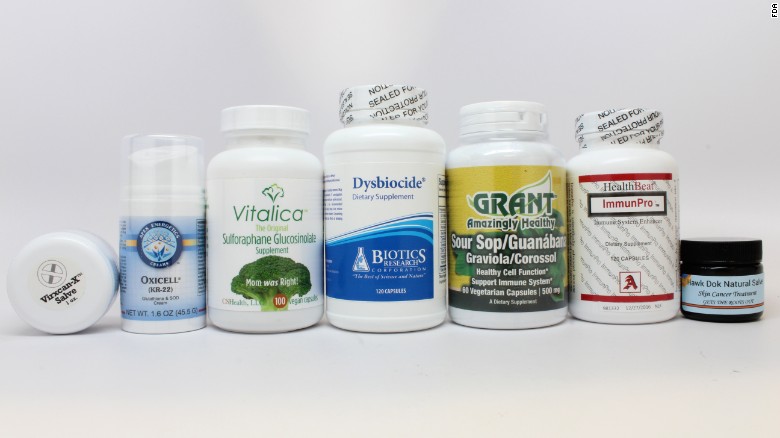
“消費者不應該使用這些產品或者類似的未經證實的產品,因為它們可能不安全,不可能阻止人們尋求適當的和可能拯救生命的癌症診斷或治療,”FDA 監管事務辦公室的執法和進口業務辦公室主任Douglas W. Stearn表示。“我們鼓勵人們保持警覺,無論是在線還是在商店,並且避免購買沒有證據證明有效的治療癌症的產品。患者應該向他們的醫療保健專業人員咨詢癌症的適當預防、診斷和治療事項。”
This week, the Food and Drug Administration (FDA) issued 14 warning letters and four online advisories to companies that claim to prevent, diagnose, treat, mitigate or cure cancer. The letters cover over 65 products that were being sold — mostly on …
FILE – This Wednesday, Oct. 14, 2015, file photo shows the U.S. Food and Drug Administration campus, in Silver Spring, Md. The FDA is warning consumers to avoid 65 bogus products hawked on the internet with false claims that they can cure, treat or …
TRENTON, N.J. — U.S. regulators are warning consumers to avoid 65 bogus products hawked on the internet with false claims that they can cure, treat, diagnose or prevent cancer. The Food and Drug Administration says these products , mostly sold on …
On Tuesday, the agency responsible for policing the American food and drug market issued warning letters to 14 companies that it says are "illegally selling more than 65 products that fraudulently claim to prevent, diagnose, treat or cure cancer …
"Today we are announcing that 14 companies peddling bogus cancer cures have received warning letters," write physicians at the US Food and Drug Administration (FDA) in a blog post. "A cancer diagnosis often provokes a sense of desperation," they write.
TUESDAY, April 25, 2017 (HealthDay News) — The U.S. Food and Drug Administration on Tuesday posted warning letters to 14 companies that are selling more than 65 fake cancer treatments. The bogus products include pills, capsules, powders, creams, …
The letters, detailed Tuesday on the agency's website, addressed more than 65 products currently marketed and sold without FDA approval. CHILI PEPPER, POT MAY FIX YOUR AILING STOMACH. “Anyone who suffers from cancer, or knows someone who …
Over the past decade, the FDA has issued more than 90 warning letters to companies marketing hundreds of fraudulent products that made unfounded cancer claims. Although most of the companies have stopped selling these products, there are still unsafe …
Across the 14 firms, investigators identified 65 products that claim to cure or treat cancer. They include teas that claim to be made from 'cancer-killing trees', and capsules that promise to fight cancer – as well as Parkinson's disease, heart disease …
BioStar Organix is one among 14 companies that the FDA is cracking down on for illegally selling more than 65 pills, creams, ointments, oils and other products that fraudulently claim to prevent, diagnose, treat or cure cancer in humans and pets.
Yesterday, the agency issued warning letters to 14 U.S.-based companies peddling more than 65 of these bogus cancer cures. The products are marketed and sold without FDA approval, most commonly on websites and social media platforms. “Consumers …
Delivering drugs to cancerous tissue is one of the more urgent medical issues of our time. The problems with drug delivery are many. These chemicals often become diluted in body fluids or absorbed by other organs. And even when they do reach their target, they cannot always penetrate cancerous tissue easily. So a better way to deliver drugs that overcomes these issues is urgently needed.
Step forward Mariana Medina-Sánchez and pals from the Institute for Integrative Nanosciences in Germany. They’ve created a unique drug delivery system that uses sperm to carry the active ingredient into a tumor. Their new approach is designed specifically for diseases of the female reproductive tract such as gynecological cancer, endometriosis, pelvic inflammatory diseases, and others.
The system is simple in essence. Medina-Sánchez and co simply soak sperm in the active ingredient, which causes the sperm cells to take up surprisingly large doses. They then force the sperm to swim into a kind of mechanical harness—a self-tightening micromachined structure that attaches to the head of the sperm.
The harness is coated in iron, which allows the sperm to be steered by an external magnetic field. So the sperm provides the propulsive power while a doctor can direct it to the tumor.
The harness also has a quick release mechanism. When the device hits a surface, the force of the collision causes the harness to release its grip on the sperm which then swim away freely. The idea is that this happens when the sperm reaches the tumor, where it can then burrow into the tissue and into the cancer cells themselves.
Medina-Sánchez and co have tested the mechanism in their lab. For these tests, they use bull sperm because it is a similar size to human sperm. They load the sperm with a standard chemotherapy drug called Doxorubicin and then attach the sperm to mechanical harnesses.
They test the utility of the system in a variety of experiments in which the sperm swim toward and then enter a standard cancer model consisting of HeLa cells and HeLa spheroids, which simulate tumors themselves.
The results make for interesting reading. The team found that the harness significantly slows down sperm, reducing its speed by 43 percent. However, it can still move and enter cancer cells. They show that the mechanism effectively kills cancer cells and that the sperms cells can penetrate the cancerous spheroids, helping to kill cells inside.
That’s impressive work. Sperm has significant advantages over other drug delivery systems such as bacteria, which can trigger significant immune responses. And unlike bacteria, sperm cells do not proliferate to form colonies that can cause other problems.
Sperm have other advantages, too. They protect the drug from enzymes that can degrade it, and they do not dump their load unexpectedly, which is a potential problem with drugs carried in molecular cages called micelles.
Of course, the work raises important questions that Medina-Sánchez and co will need to tackle. For example, after delivering the sperm, the mechanical harnesses play no further part in the treatment, and understanding the way the body deals with and degrades these devices will be important.
Then there is the question of how well the amount of drug can be controlled. That’s related to the number of sperm that complete the journey and how much active ingredient they each carry and deliver. That will need to be carefully calibrated.
Finally, the team also needs to test this mechanism with human sperm. And that raises the question of ethics—whose sperm will be used for this kind of treatment, and what of the potential for pregnancy?
If these questions can be satisfactorily answered, the technique has significant potential. Every year, some 100,000 women in the U.S. are diagnosed with gynecological cancer. Better treatments are urgently needed.
“Sperm-hybrid systems may be envisioned to be applied in in situ cancer diagnosis and treatment in the near future,” say Medina-Sánchez and co.
Ref: arxiv.org/abs/1703.08510: Sperm-Hybrid Micromotor for Drug Delivery in the Female Reproductive Tract


















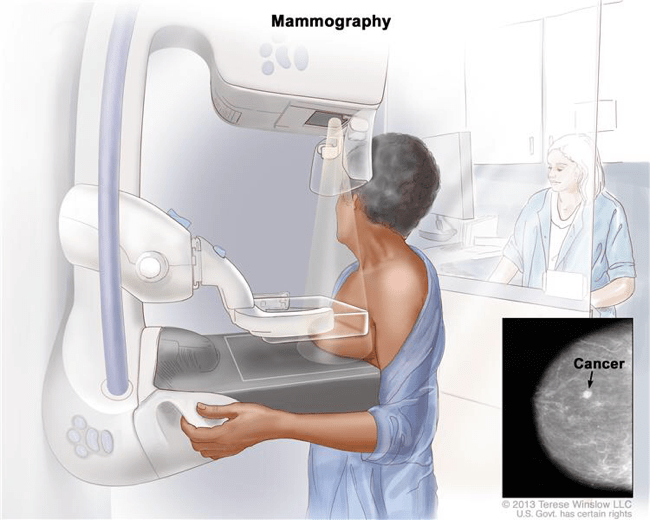
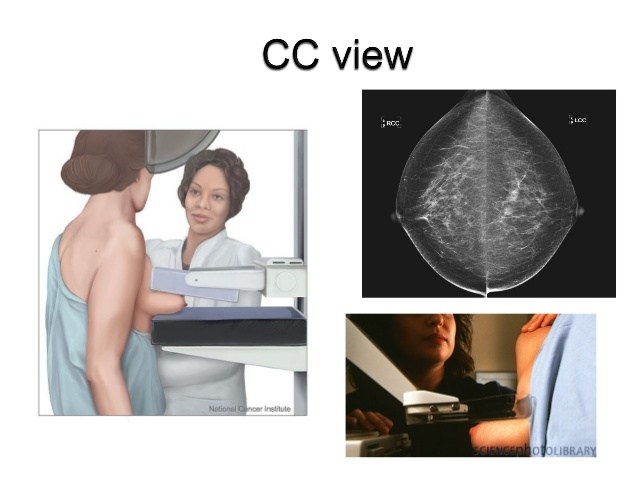
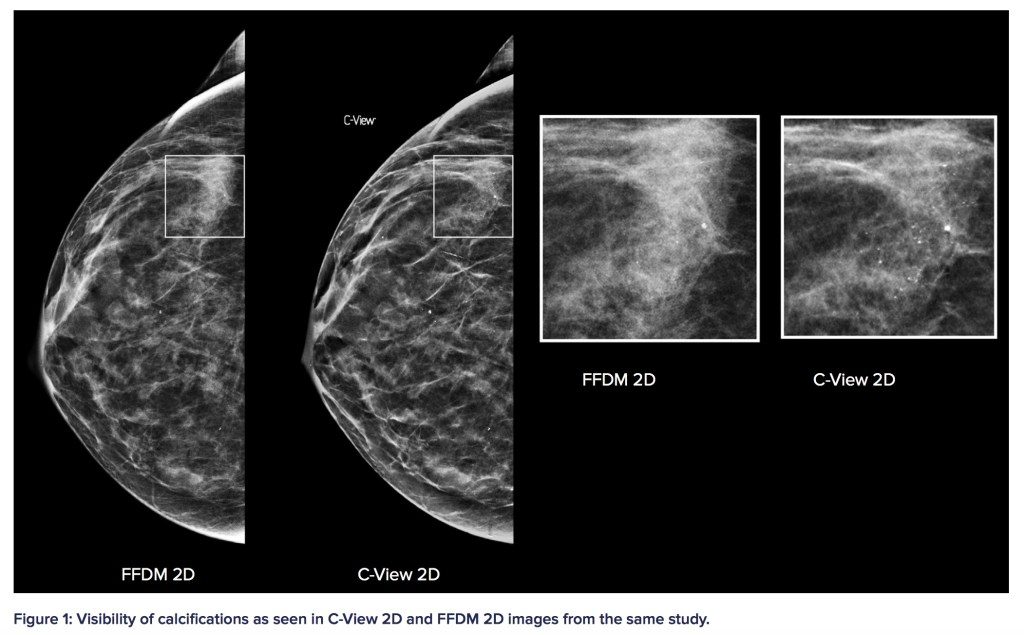 圖片來源:lowdose3d.com
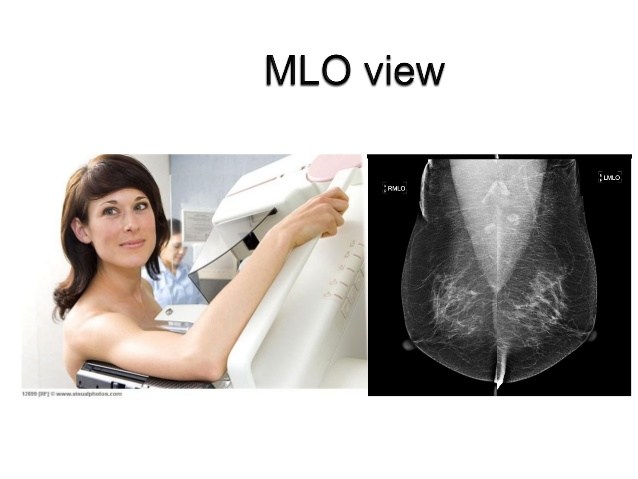
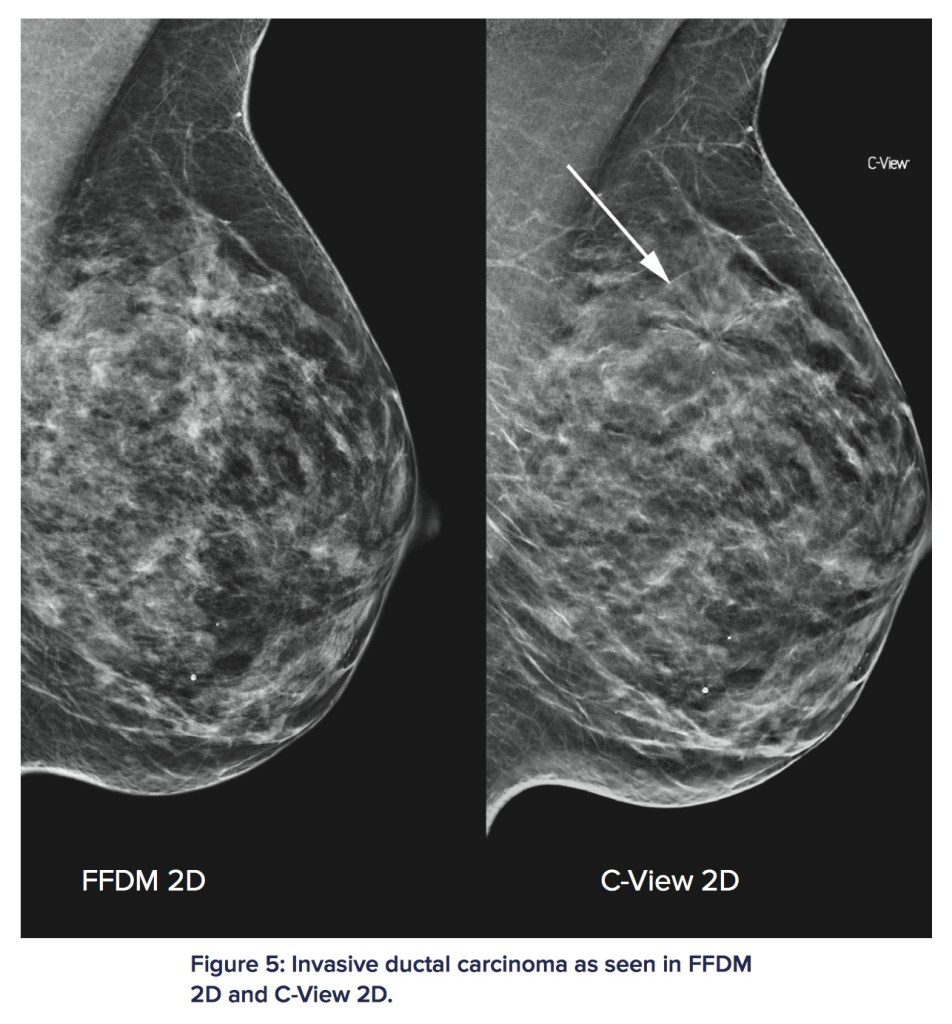 圖片來源:lowdose3d.com