義工William:「每次見到患者及家屬能成功北上取藥和分享自己對照顧患者的經驗都感覺非常滿足。因為癌症治療是一個漫長的路程、希望患者及家屬的心理壓力有所減輕。」
義工布布:「雖然自己已年過70,希望趁自己身體還健康時能幫助其他有需要的人、亦能令自己擴闊視野、了解癌症病人的需要…在陪診過程中與癌友建立了良好關係互相溝通、並互相學習扶持勉勵、心靈亦得已安慰。」
義工WaiYee:「在病友的抗癌路上、或許無法一直陪伴、但願每次短暫的相遇、能留下一絲溫暖。」
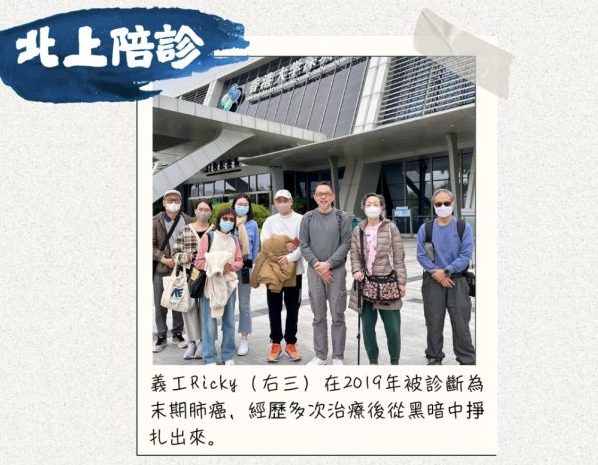
在「癌症資訊網慈善基金」的活動中、義工Ricky發現與同行者分享治療的心路歷程、能釋放心中積壓的孤獨感。因此、他積極參與陪診義工服務、將自己的經歷轉化為對戰友的支持。
義工Ricky:「有幸可為戰友們送上一絲温暖、讓他們的情緒得以釋放、不知不覺地便走出那無邊際的黑洞、希望這份暖意可以一直延續下去。」
楊先生(家屬):「多謝義工張先生不停開解我的媽媽、令她在痛苦中尋找到一絲希望、在此十分感激機構的協助及幫忙、謝謝!」
陸先生(患者):「衷心感激一羣有愛心和耐性以及無私奉獻和無償的義工們!在此本人感謝謝小姐和葉小姐、特別是Ricky哥、因為他自己也要覆診、而且他的父母也患有癌症、需要他的照顧。他還願意百忙中抽出自己寶貴時間做陪診義工、他的熱心和真心確實難能可貴而不可多得、本人實在很欣賞他的善心亦是無言感激!」
洪女士(患者):「謝小姐和義工都好細心,很照顧病人,將就診時的流程(繳費、交通等)講解得十分清楚、又會陪我去見醫生。」
原文轉載:https://www.instagram.com/p/DL9mcSvSggq
———————————–
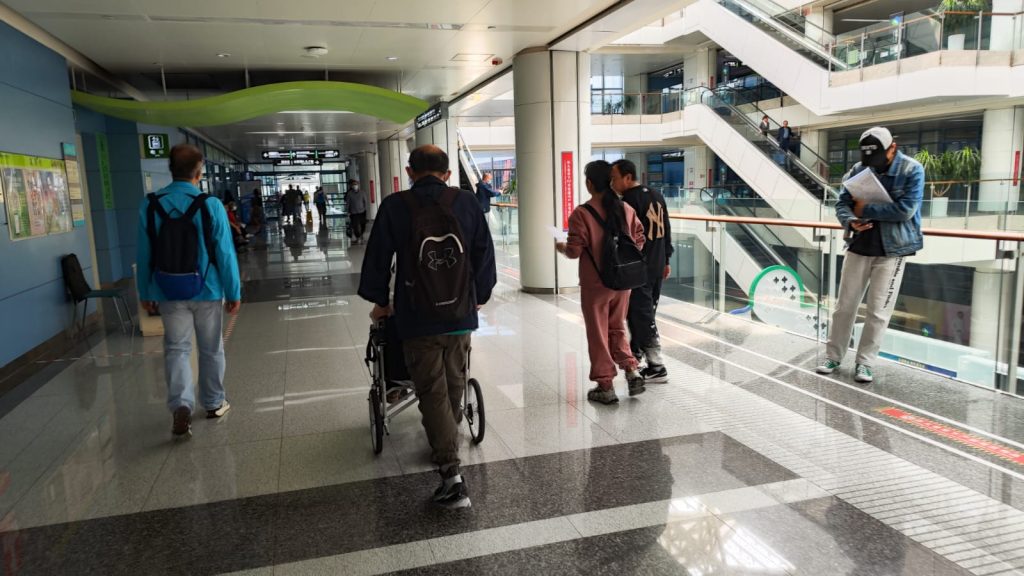
有見近年本港癌症病人有北上求醫的趨勢,癌症資訊網慈善基金響應病人需求,成立香港大學深圳醫院陪診義工隊並為義工提供培訓,為有需要前往香港大學深圳醫院會診或覆診的癌症病人提供免費陪診服務。歡迎有需求的病人登記服務,填妥表格後,癌症資訊網慈善基金職員將聯絡參加者,確認資料和安排服務。
服務對象:有需要前往香港大學深圳醫院求診的香港癌症病人
集合地點:落馬洲口岸
時間:有待安排
費用:全免
登記連結:https://forms.gle/nxTzRhJxuVjwjmKD9
查詢(WhatsApp):68599640
想為癌症社群出一分力?可透過慈善捐款支持癌症資訊網慈善基金不同的癌症病人服務。
您的慷慨解囊將幫助我們持續為癌症社群帶來不同的活動、情緒支援、營養補充、免費諮詢等⋯⋯ 感謝大家的支持!
———————
捐款支持癌症資訊網慈善基金
.
📍1.支票
郵寄抬頭「癌症資訊網慈善基金有限公司」或
“Cancerinformation.com.hk Charity Foundation Limited” 劃線支票至「癌症資訊網慈善基金」辦事處
九龍觀塘偉業街 205 號茂興工業中心 8 樓 B 室
支票背面請註明捐款者姓名及聯絡電話
.
📍2.銀行直接存款
存入恆生銀行戶口:239-727647-883
「癌症資訊網慈善基金有限公司」或”Cancerinformation.com.hk Charity Foundation Limited”
.
📍3.轉數快(FPS)
電郵地址:[email protected]
電話號碼:52067607
.
📍信用卡 網上Paypal 捐款
https://cicf.org.hk/慈善捐款
.
所有港幣$100或以上捐款,可獲發收據作申請扣稅之用
途徑 2 及 3,請 WhatsApp入數紙 / 付款截圖至 5206-7611